GLP-1 Pill vs Injection for Weight Loss in 2026
Post by Andria McCormack, RDN
Key Takeaways:
The best GLP-1 option is usually the one you can take consistently, not simply the one that avoids needles or posts slightly stronger trial results.
A daily pill and a weekly injection can shape appetite control differently, so your schedule, hunger pattern, and ability to follow the dosing routine should drive the choice.
Side effects derail progress when they lead to skipped meals, low protein, and poor hydration, which is why Chesapeake Nutrition Company pairs either format with practical meal planning and dietitian support.
Most conversations about GLP-1 medications for weight loss start with one question: "Do I have to use a needle?" That question matters, but it is not the one that determines whether the medication actually works for you. Real-world data shows that both oral and injectable semaglutide can improve weight and blood sugar, yet outcomes differ depending on how well each format fits a person's daily life.
The comparison that actually matters is more specific: which format fits your appetite patterns, minimizes side effects, and stays consistent when your schedule does not? The needle question is worth answering—but it is the format-to-life fit that determines whether you stay on track at week twelve the same way you did at week two. Our nutrition counseling services are built around exactly that fit—pairing your medication format with a realistic nutrition plan that works for you!
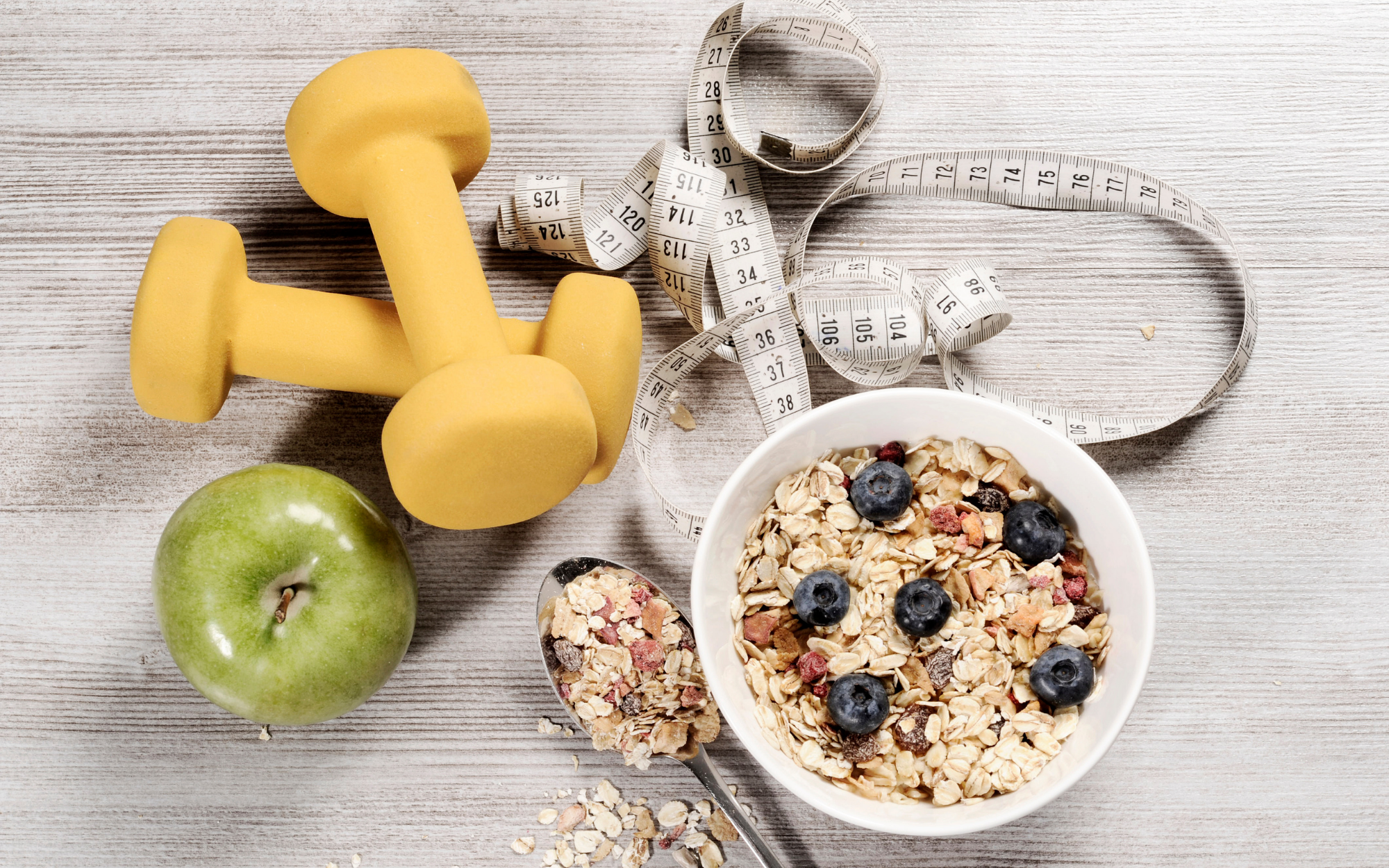
If you are considering trying a GLP-1, meet with a dietitian before you begin your weight loss journey to ensure that you are meeting your nutrition and hydration needs. Dietitians are nutrition experts and we can help you set a good foundation!
GLP-1 Pill vs Injection: The Comparison That Matters
When you are weighing a GLP-1 pill vs injection, the practical details matter as much as the clinical ones. A 2025 meta-analysis found that while both oral and injectable semaglutide produced meaningful weight outcomes, oral semaglutide had higher discontinuation rates.
Neither format is automatically the better choice for weight loss. The option that supports lasting results is the one you can follow consistently, while still eating enough protein, staying hydrated, and building meals that work on real days, not just ideal ones. Chesapeake Nutrition Company's weight loss services are designed to help you do exactly that, regardless of which format your provider recommends.
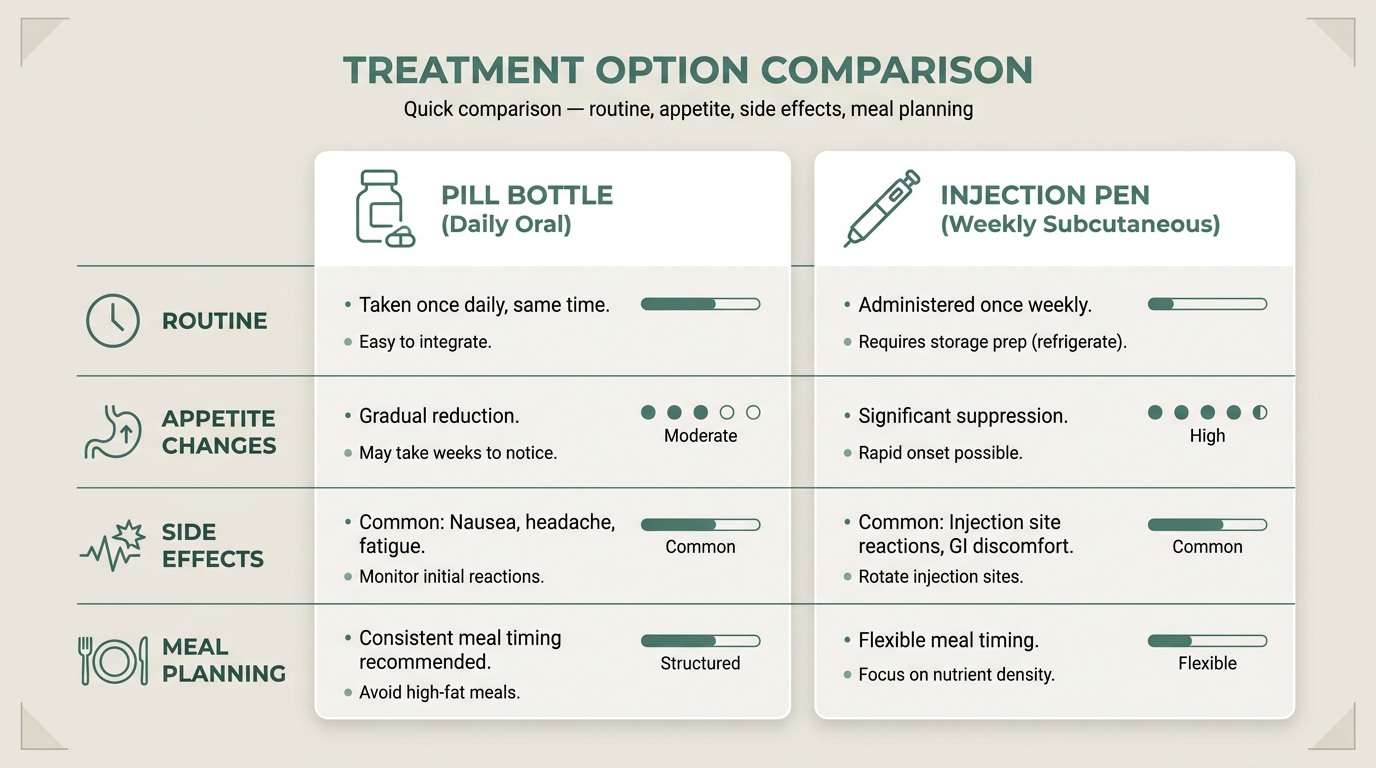
How Appetite Control and Weight Loss May Differ
When you compare a GLP-1 pill to an injection for appetite control and weight loss, the gap in outcomes is often smaller than people expect. The more meaningful difference is the pattern of how each option works within your actual day—and whether that timing lines up with when your appetite is hardest to manage.
Timing Shapes How Well Appetite Is Controlled
Oral semaglutide is taken daily, first thing in the morning on an empty stomach. Injectable semaglutide works on a weekly cycle. Clinical trial data showed that oral semaglutide reduced overall energy intake and shifted food preferences away from high-fat options, especially after heavier meals. If your hardest hunger moments are predictable, the format that best aligns with that window tends to work better.
Steady Appetite Support Beats Strong but Inconsistent Suppression
A weekly injection may create more consistent appetite suppression across the full week. A daily pill requires a strict fasting routine to absorb properly. PIONEER trial data confirmed that oral semaglutide can match injection outcomes at appropriate doses, but dosing consistency matters significantly. Skipping or mistiming the pill reduces its effect, which can lead to under-eating some days and rebound hunger on others.
Medication Alone Does Not Build Eating Skills
Neither format automatically teaches you how to eat well on a busy day. Sustainable weight loss depends on pairing reduced appetite with steady protein intake, regular meals, and practical portion habits. When appetite drops sharply, it is easy to under-fuel without realizing it—and that slow erosion of protein and energy is often what stalls progress, not the medication itself. A personalized nutrition plan closes that gap before it becomes a plateau.
Side Effects and Daily Routine Can Decide Success
Both GLP-1 pills and injections share a similar side-effect profile, and knowing what to expect, and how to manage it day-to-day, can make the difference between staying on track and stopping altogether.
The most common side effects of GLP-1 pills versus injections look a lot alike: nausea, bloating, constipation, and other digestive discomforts show up across both formats. What separates them in practice is how those symptoms land in your actual day. A wave of nausea at 8 a.m. before a back-to-back meeting feels very different depending on whether your medication requires a fasting window beforehand or not.
Protein intake and hydration choices directly influence how well your body tolerates either format over time—and this is one of the most practical areas where a dietitian's guidance makes a concrete difference.

Lots of clients find it helpful to set a timer to remind yourself to have a ‘mini meal’ and/or a hydration break.
Routine fit matters just as much as tolerability. Here is where the two formats genuinely diverge:
Pills require tighter timing. Oral GLP-1 medications like semaglutide (Rybelsus) have a strict morning dosing protocol (detailed in the comparison table above) that is easy to disrupt on a hectic or unpredictable day.
Injections offer more schedule flexibility. A once-weekly injection does not require fasting, which tends to work better for people whose mornings are unpredictable but who can reliably anchor one weekly habit.
Working with a dietitian who understands GLP-1 medications means your meal plan is built around how your body is actually responding—appetite shifts, side-effect patterns, and a schedule that rarely looks like a textbook example. That specificity is what separates a plan that holds up from one that falls apart after a rough week.
FAQ: GLP-1 Pill vs Injection
When you're weighing your options, the questions that come up most aren't about clinical trials. They're about real life: needles, work trips, and what to do when eating feels impossible. These answers focus on the practical side of the GLP-1 pill vs injection decision.
Is a GLP-1 pill better than an injection if I hate needles?
A pill is a real, evidence-based option, not a lesser substitute. Research comparing oral and injectable semaglutide shows both produce meaningful weight loss, with injections showing slightly larger results on average. If needle avoidance is what keeps you consistent, the pill may be the best choice for you personally.
Which GLP-1 option is easier to manage with work, travel, or an unpredictable schedule?
A pill requires a strict morning routine: taken fasting, with limited water, 30 minutes before eating. A weekly injection has fewer timing rules, which some busy people find easier to build into their routine. A real-world comparison found adherence differences between formats, reinforcing that fit matters as much as format.
Can a dietitian help if I am losing my appetite, skipping meals, or dealing with nausea on a GLP-1 medication?
Yes, and this is one of the most practical reasons to work with a Registered Dietitian. Nausea, early fullness, and meal skipping are common on both formats. A Registered Dietitian can help you build a plan around smaller, protein-focused meals that protect muscle and keep your energy steady. Learn more about what that support looks like on our GLP-1 weight loss drugs page, or explore our Weight Loss Nutrition services to get started.

I love when clients bring a log of any symptoms and challenges they are experiencing on a GLP-1, it really helps us troubleshoot.
Choose the Option You Can Support With Real Habits
The better choice when comparing injection vs pill is the one that fits your appetite patterns, your schedule, and your ability to eat consistently through the side effects that come with both options.
Medication gets you started. Habits keep you moving. Pairing either format with a realistic plan for protein, hydration, and smaller meals is what turns appetite suppression into weight loss nutrition that lasts. If you're on a GLP-1 and want that kind of support, our Registered Dietitian Nutritionists at Chesapeake Nutrition Company will build a plan around your specific format, your side-effect patterns, and your actual schedule—virtually or in-person, with most insurance accepted.