Post by Shannon Svikhart, RDN
Key Takeaways:
On a GLP-1, eating well means making smaller meals work harder by leading with protein, adding moderate fiber, and keeping meals balanced enough to protect energy and lean muscle.
When appetite is low, skipping meals is usually less helpful than having a small, gentle option like yogurt, eggs, soup, or a protein smoothie plus steady fluids throughout the day.
The most sustainable GLP-1 routine is not a perfect menu but a repeatable one: simple meal templates, smart convenience foods, and a plan tailored to your schedule make consistency much easier.
Here is the counterintuitive part of GLP-1 therapy: the medication is working exactly as intended when your appetite disappears — and that is precisely when nutrition requires the most deliberate attention. People on GLP-1s can see energy intake drop by 16 to 39 percent, a reduction large enough to quietly short-change protein, fiber, and key nutrients with no obvious warning. The scale moves. Hunger quiets. And underneath that, muscle can erode and energy can dip — not because the medication failed, but because eating less and eating strategically are two entirely different things.
Knowing what to eat on a GLP-1 means shifting the focus from eating as little as possible to eating in a way that actually supports you. That means building meals around protein, including fiber where you can tolerate it, staying on top of hydration, and keeping things simple enough to repeat on a busy week. Chesapeake Nutrition Company works with clients on exactly this, turning general guidance into a plan that fits your real schedule, your food preferences, and your goals.
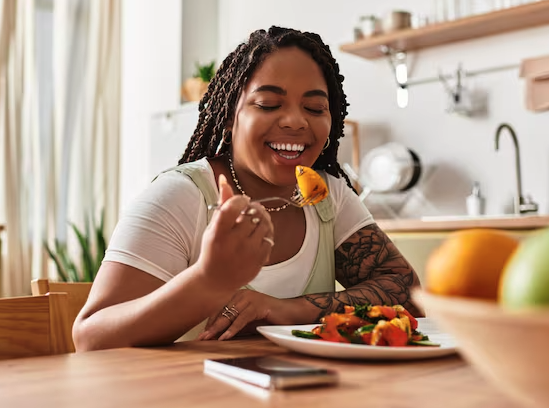
To prioritize eating, I recommend clients try a variety of things to make life easier. Use a meal delivery service or a grocery store pre-made meal. When possible, restock easy to eat whole grains, fruits and veggies, nuts/seeds, lean proteins.
Start With Protein, Fiber, and Gentle Balance
When you're on a GLP-1, appetite can drop sharply — which means every meal carries more nutritional weight, not less. Knowing what are the best high-protein foods to eat on a GLP-1, and pairing them with manageable fiber, is where sustainable nutrition actually begins.
Lead With Protein at Every Meal
Protein protects lean muscle when you're losing weight, and on a GLP-1, that matters. A 2025 expert advisory in the American Journal of Clinical Nutrition recommends prioritizing protein intake to preserve muscle mass during GLP-1 therapy. Foods like Greek yogurt, eggs, cottage cheese, chicken, fish, tofu, and beans are solid choices because they're easy to prepare, easy to repeat, and gentle enough to tolerate on lower-appetite days. Protein shakes can fill gaps when a full meal feels like too much.
Choose Fiber That Feels Easy to Tolerate
Fiber helps meals feel steady and supports digestion, but the goal isn't to load up on it. Clinical guidance recommends keeping fiber moderate and choosing lower-fiber vegetables, oats, fruit, beans, and cooked whole grains over raw, bulky options that may feel heavy. Your plate doesn't need to be elaborate. A half-cup of oats, a handful of berries, or a scoop of beans alongside your protein covers a lot of ground without overwhelming a smaller appetite.
Build a Smaller Plate, Not an Empty One
Skipping meals when appetite is low is a common habit on GLP-1s, but it often leaves you under-fueled by midafternoon. A smaller, balanced plate built around protein, a fiber source, and a gentle carbohydrate. Try scrambled eggs with toast and fruit, or chicken with rice and roasted vegetables to support steady energy better.
What to Eat When Your Appetite Is Low
When your appetite is low on a GLP-1, the most supportive move is to eat something small and protein-forward on a consistent schedule — not wait for hunger that may not arrive. Knowing what you should eat on a GLP-1 when your appetite is low comes down to a handful of reliable choices you can reach for even on the hardest days.
Research supports smaller, more frequent meals built around protein-rich whole foods — a consistent eating pattern that prevents nutrient shortfalls even when the scale is moving in the right direction.
Here is what tends to work well:
Start small, but start. A half-cup of Greek yogurt, a boiled egg and a banana, or a small bowl of soup counts as a real meal when appetite is low. Getting something in regularly does more for your energy and muscle support than holding out for a bigger meal later.
Choose soft, gentle foods. Yogurt, soup, smoothies, cottage cheese, oatmeal, and crackers with nut butter are far easier to tolerate than rich, greasy, or heavily spiced dishes. Keeping meals simple and lower in fat is a great default on harder days.
Drink even when you do not feel thirsty. Low appetite often brings reduced thirst with it, so dehydration can sneak up on you. You do not have to rely on plain water — herbal tea, milk, broth, and sugar-free drinks all count toward your daily fluid goal.
Lean on liquid nutrition when solid food feels hard. A protein smoothie made with milk or a plant-based alternative, a scoop of protein powder, and some fruit can deliver meaningful protein and hydration in a format that is easy to get down, even on a low-appetite day.
Do not skip without a backup. If a full meal is not happening, have a snack-size option ready, like a cheese stick, a hard-boiled egg, or a handful of nuts with fruit. Something small and protein-forward keeps your body supported between meals.
If you are consistently struggling to eat enough or experiencing ongoing nausea, it is worth looping in your medical team and a dietitian. Our team at Chesapeake Nutrition Company works with clients on GLP-1 medications to identify the specific foods and routines that feel manageable for them, because a plan that fits your symptoms and your schedule is the one you will actually follow.
Easy Balanced Meal Ideas for Busy Days
One of the most practical things you can do as a busy person on a GLP-1 is stop trying to eat perfectly and start eating consistently. Research on nutritional priorities for GLP-1 therapy supports smaller, nutrient-dense meals built around protein and fiber — not elaborate recipes, just consistent options. The easiest, balanced meal ideas for busy people on a GLP-1 come from a short list of templates you rotate through the week rather than reinventing every day.
Build from templates, not recipes. A rotisserie chicken grain bowl, a turkey wrap, or salmon with microwaved rice and vegetables are all complete, balanced meals you can put together in under ten minutes without much thought.
Let convenience foods work for you. Pre-cut produce, frozen vegetables, bagged salads, and ready-to-drink protein shakes are not shortcuts — they are tools. Chosen with intention, they make the difference between a nourishing meal and skipping one entirely on a packed Tuesday.
Stock two of everything. Keep two breakfast options, two lunches, two dinners, and two snacks on hand each week. That small structure is enough to remove most of the decision fatigue that leads to skipped meals or poor choices when appetite is already unpredictable.
Prioritize protein at every meal. Harvard's guidance on GLP-1 medications reinforces that diet quality still matters on these medications, particularly for preserving lean muscle. Even a smaller meal should anchor around a protein source first.
Use a meal plan to stay consistent. A customized meal plan from a dietitian can take this structure further — with a weekly grocery list, meal swaps, and templates built around your schedule and food preferences so you are not starting from scratch every week.
The goal is not a perfect plate. It is a reliable one you can put together even when work runs long, your appetite is unpredictable, and cooking feels like one more thing on a full to-do list.
Common Questions About Eating on a GLP-1
Starting a GLP-1 medication brings up a lot of practical questions that generic nutrition advice doesn't always answer. The questions below address what actually comes up most — meal size, hydration, and when to flag something with your care team.
Do you need to force yourself to eat, or is a smaller meal enough?
You do not need to force a full-sized meal. A smaller plate built around protein and fluids is genuinely sufficient when appetite is low. Research supports this: the priority is nutrient quality over volume. What you eat on a GLP-1 matters more than how much.
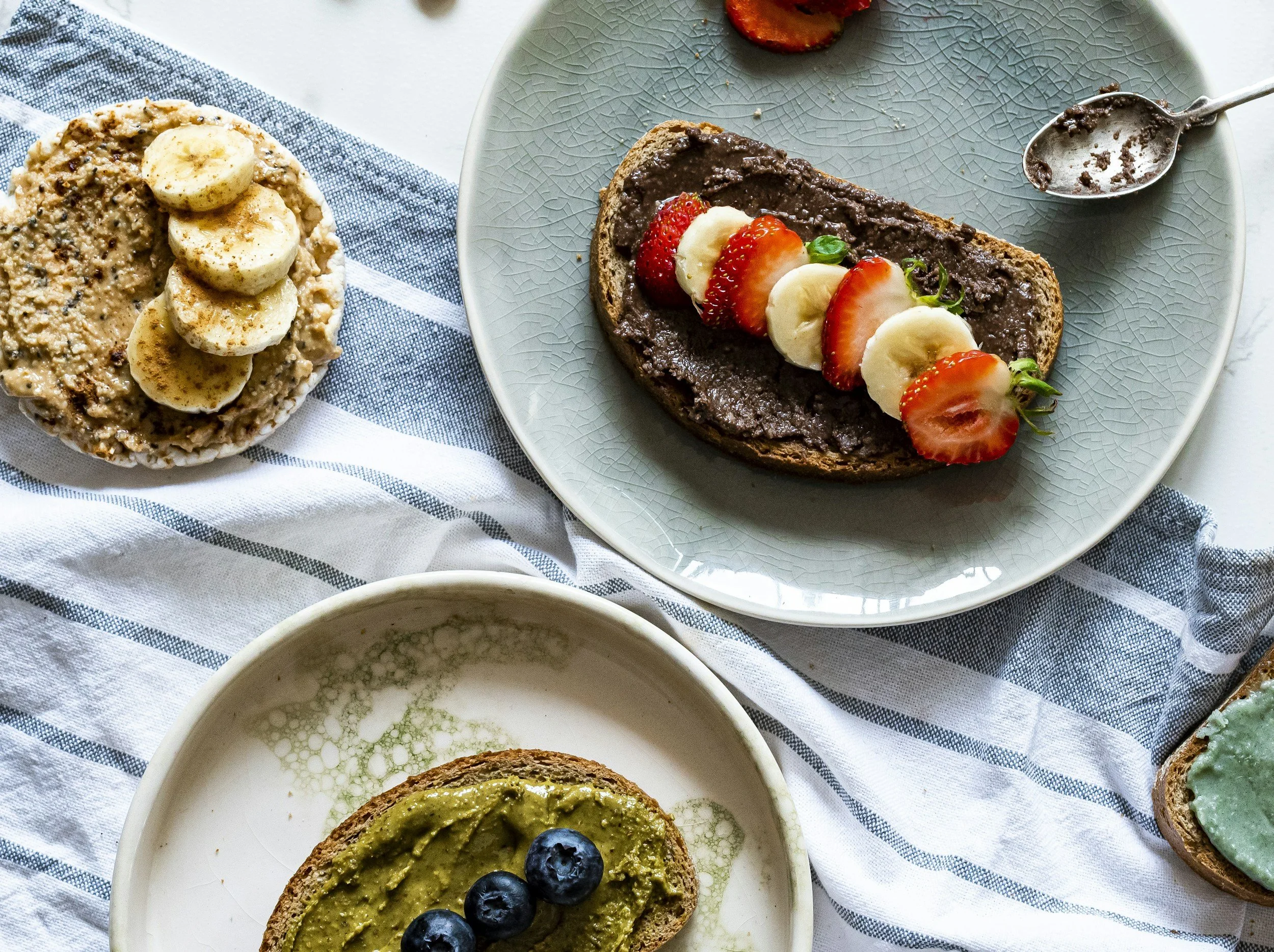
Focus on nutrient dense foods, especially when not hungry. Eat something! My favorites are a hard boiled egg and a plum, peanut butter/banana toast, or a protein shake. Remind yourself to fuel and nourish; we NEED nutrients to remain healthy!
How can you stay hydrated if you feel full quickly or forget to drink?
Sipping fluids throughout the day works better than trying to drink large amounts at once. Set a reminder on your phone, keep a water bottle visible at your desk, and count water, broth, herbal tea, and milk toward your daily goal. UC Health's GLP-1 nutrition guidance recommends aiming for 8 to 10 glasses of fluid daily.
Which foods tend to feel harder to tolerate on a GLP-1?
High-fat, heavily fried, spicy, or highly processed foods are the most common culprits for worsening nausea or GI discomfort. The Cleveland Clinic's GLP-1 diet guidance flags these specifically. Keeping meals simple and lower in fat is usually the most reliable way to feel better between doses.
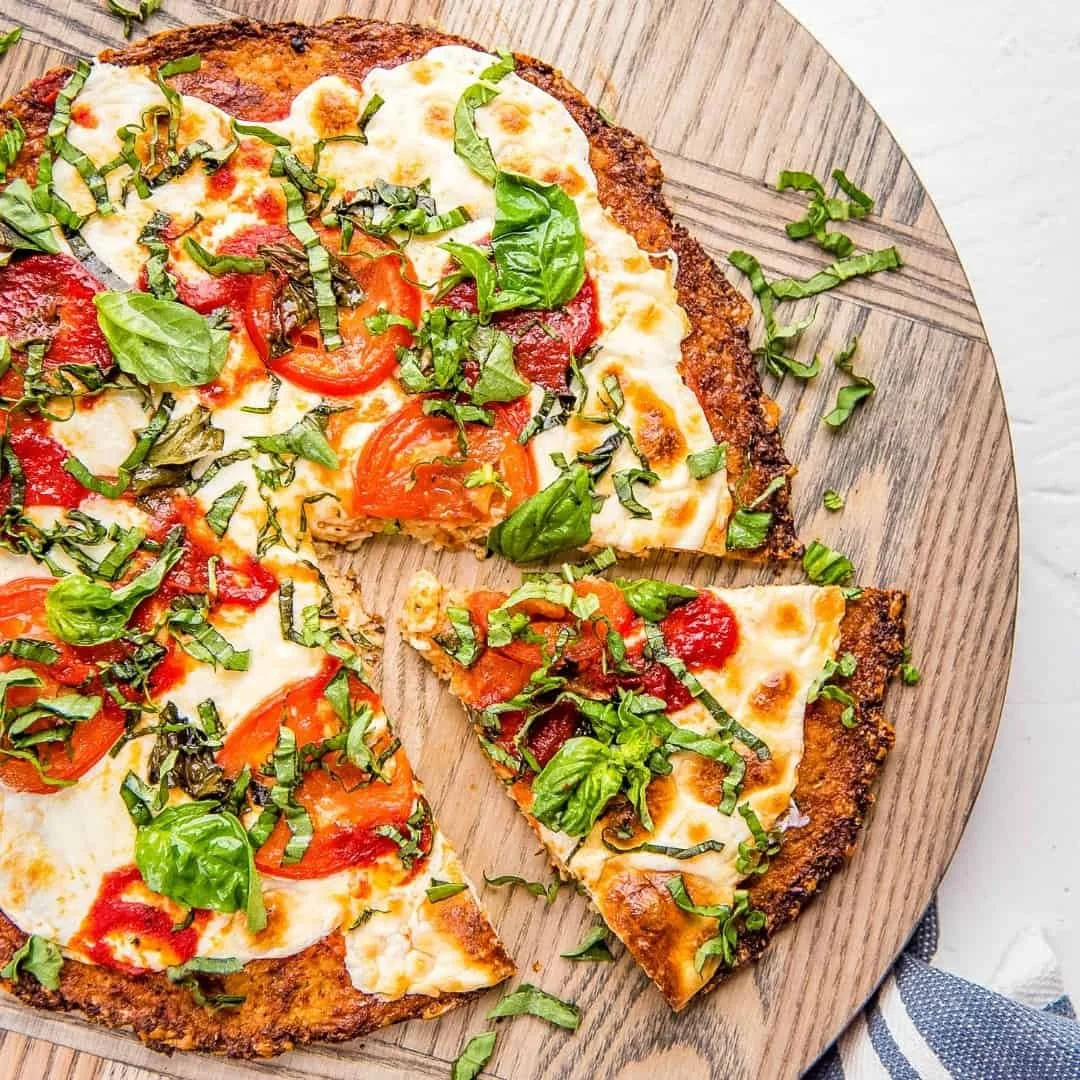
I never want someone to lose the enjoyment of food due to decreased appetite or intolerance to high fat favorites. It’s fun to think outside the box! Craving pizza? Try a whole grain or cauliflower crust, top with your own veggies like broccoli, sauteed spinach, olives and green peppers versus pepperoni or sausage.
When should ongoing nausea or poor intake prompt a call to your medical team?
If nausea, vomiting, or very low food intake persists beyond a few days, that warrants a conversation with your provider and a dietitian. Poor intake over time can lead to muscle loss and nutrient gaps even while weight drops. Our weight loss nutrition team works alongside your medical provider to adjust your eating plan when symptoms make it hard to stay consistent.
Build a Plan You Can Repeat
The goal on a GLP-1 was never to eat as little as possible — it was to let the medication quiet the noise so you can finally eat with intention. Research published in the American Journal of Clinical Nutrition confirms that protein-first meals, gradual fiber inclusion, and steady hydration are the habits that support both tolerability and long-term results. Not an elaborate plan. Just a reliable one you can actually put together and stick with most days.
Personalized support makes that easier than doing it on your own. A registered dietitian can look at your schedule, your food preferences, and how your body is responding to medication, then help you build something that holds up in real life — not just on paper. Our nutrition counseling services include customized meal planning and dedicated GLP-1 support, so the routine you build is one you can actually sustain.