Fall Meal Planning
Easy Strategies and Healthy Recipes for Busy Weeks
Post by Shannon Svikhart, RDN
Key Takeaways:
Meal planning does not have to be perfect to be helpful.
Even planning one or two meals for the week can reduce stress, save time, and make healthy eating feel more realistic.Simple prep can make busy fall weeks much easier.
Batch cooking, ingredient prep, sheet pan meals, and quick “throw-together” dinners can help you get nourishing meals on the table with less last-minute scrambling.The best meal plan is the one that fits your real life.
Whether you cook from scratch, use leftovers, rely on healthy convenience foods, or get the family involved, small changes can build a routine you can actually stick with.
It’s 5:45 p.m. and my daughters' questioning eyes drill holes in the back of my head, which is stuck in the fridge. Quinoa simmers, sending a nutty smell that sparks growling stomachs. I spy broccoli and chicken. “Viola!” I say before she asks, “What’s for DINNER?!”
Writing about meal planning and meal preparation has me in a panic.
As a dietitian, I should be an expert at meal plan/prep. I. Am. Not. When I do plan/prep, I admit, life runs MUCH more smoothly.
Why is meal planning and meal preparation challenging for some of us?
Finding Time - to dedicate to plan and prep
Money - wasted food we bought but didn’t make
Overwhelming - find recipes, shop for ingredients, follow through on plans
Tedious - people who cook for a creative outlet may view planning/prep as a chore
Food fatigue - same old, same old
Dislike of “old food” (leftovers) - questionable quiche or crusty casseroles
Sound familiar? You're not alone.
Why it CAN be Worth It:
Knowing you have dinner ready when you wake up is a special kind of joy. It’s not necessary to have a month of meals in the freezer to reap the benefits of YOUR version of meal planning/prep.
A healthy lifestyle is an individual process of adopting and letting go of behaviors.
I start with an attitude adjustment. Perfectionism and guilt prevents progress. Small, realistic changes and a heavy dose of “how can I make this fun?” are key to fitting meal planning and preparation into a busy life. Research and personal evidence help! We may:
Save time: A busy week becomes less busy.
Decrease stress: No 5 PM panic.
Save money: Switching from takeout can save an adult an average of $2,340 to $3,900/year.
Increase trust/confidence: Know exactly what food has gone into your meals. No mystery ingredients or derailing health goals from last-minute choices. Planners/preppers have better food quality and variety = a higher diet quality.
Eat healthier and lower processed foods: Planners/preppers have lower rates of dietary fat intake and of being overweight (women) and obese (men) than non-planners. They also have higher intake of fruits/veggies = fiber, folate, and vitamin A.
Meal Planning & Preparation: Making It Work For You:
There is no one way to eat healthy. There is no one way to prepare meals.
Let’s explore whether there’s a method and style that might work for you.
Meal Planning:
This usually involves:
look at your schedule, decide meals needed (note busier days)
gather meal ideas and recipes
make an ingredient list (cross out what you have in your fridge/pantry)
shop (try instacart, or imperfect foods)
Meal Preparation:
Execute your plan by cooking or preparing food in a way that fits into your life:
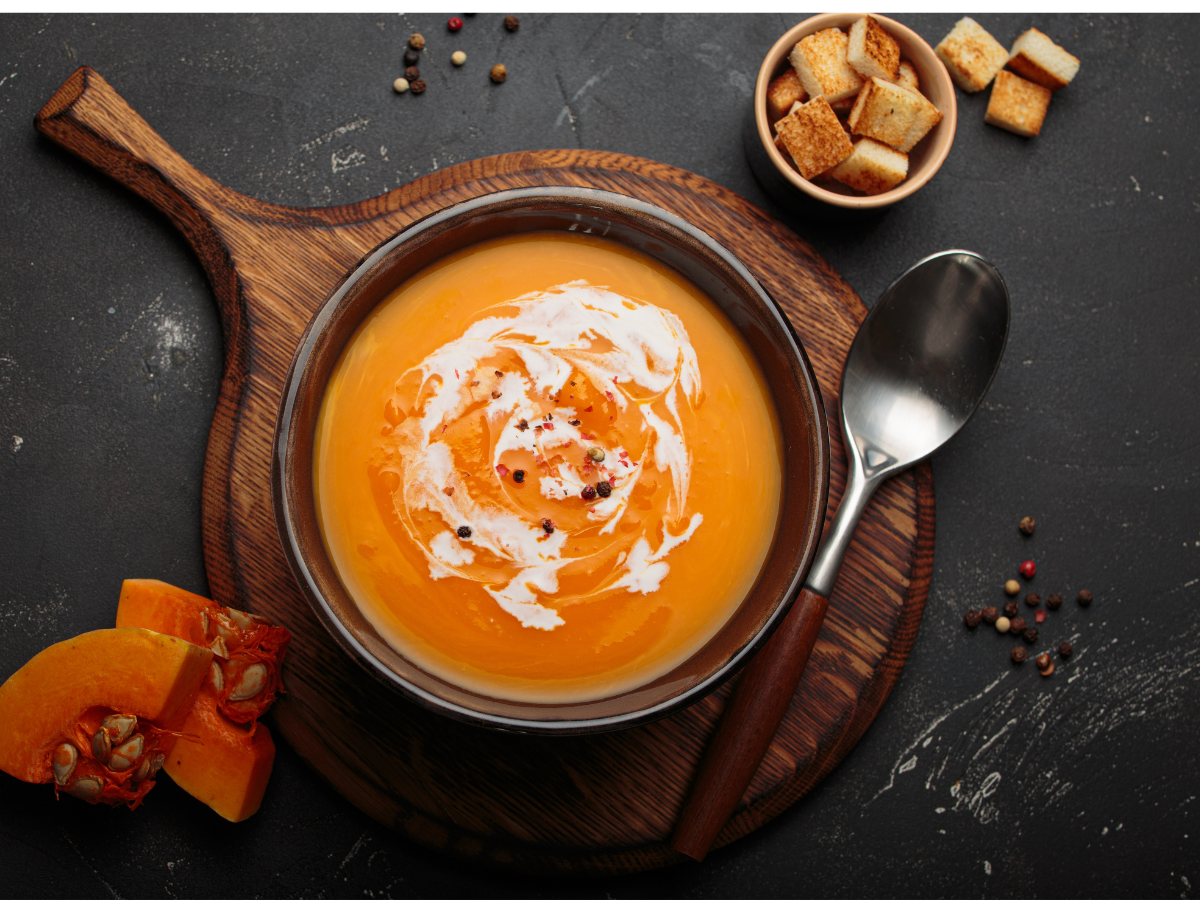
Pumpkin black bean soup is a quick and hearty meal that can freezes well.
Dietitian Jodi’s tip: substitute evaporated milk for heavy cream and double the black beans.
Batch cook: make large portions of a single meal (i.e. a pot of chili) OR several meals at once, to eat or freeze. Jodi Serafin, dietitian and owner of Chesapeake Nutrition recommends trying Pumpkin Black Bean soup as an easy meal prep, see the recipe above!
Ingredient prepping: Chop veggies, make sauces, proteins and grains ahead of time. Mix and match ingredients for lunches or dinners.
Portioning: If you want to take it a step further, divide meals into separate containers for grab-and-go convenience for school and work.
Buy and have on hand for meals:
canned tuna or salmon to toss into a salad or burrito or sandwich
cheese -swiss/mozzarella (lower in fat),
turkey or chicken
black beans, quinoa, brown rice, barley
Bag of coleslaw or other favorite chopped veggies as a base for a salad
walnuts/almonds/flax/chia - can add to cereals/salads/smoothies
Cook once, eat many times:
My home chef husband’s happy place is the kitchen. This week he cooked a whole chicken and made: chicken salad with light mayo, celery and carrots which we ate on whole grain bread and over greens. Chicken stock was the base for lentil soup. He used summer’s abundant cherry tomatoes in bruschetta by adding garlic, balsamic vinegar and olive oil over toast and later, over chickpea pasta.
Quick meals:
I love this sheet pan meal, it’s easy to execute and to clean up - Sheet Pan Salmon with Asparagus and Potatoes.
Dietitian Andria offers this delicious salad for a quick meal:
Toss together 1 can each kidney and garbanzo beans (drained and rinsed), 1 cucumber chopped, 1 bell pepper chopped, 1/2 cup of farro, cooled.
Drizzle with olive oil, and balsamic glaze vinegar.
One of Dietitian Jodi’s go-to's that the whole family likes is a chicken sausage bowl - chicken sausage, brown rice, store bought pesto with a fresh or frozen vegetable of your choice
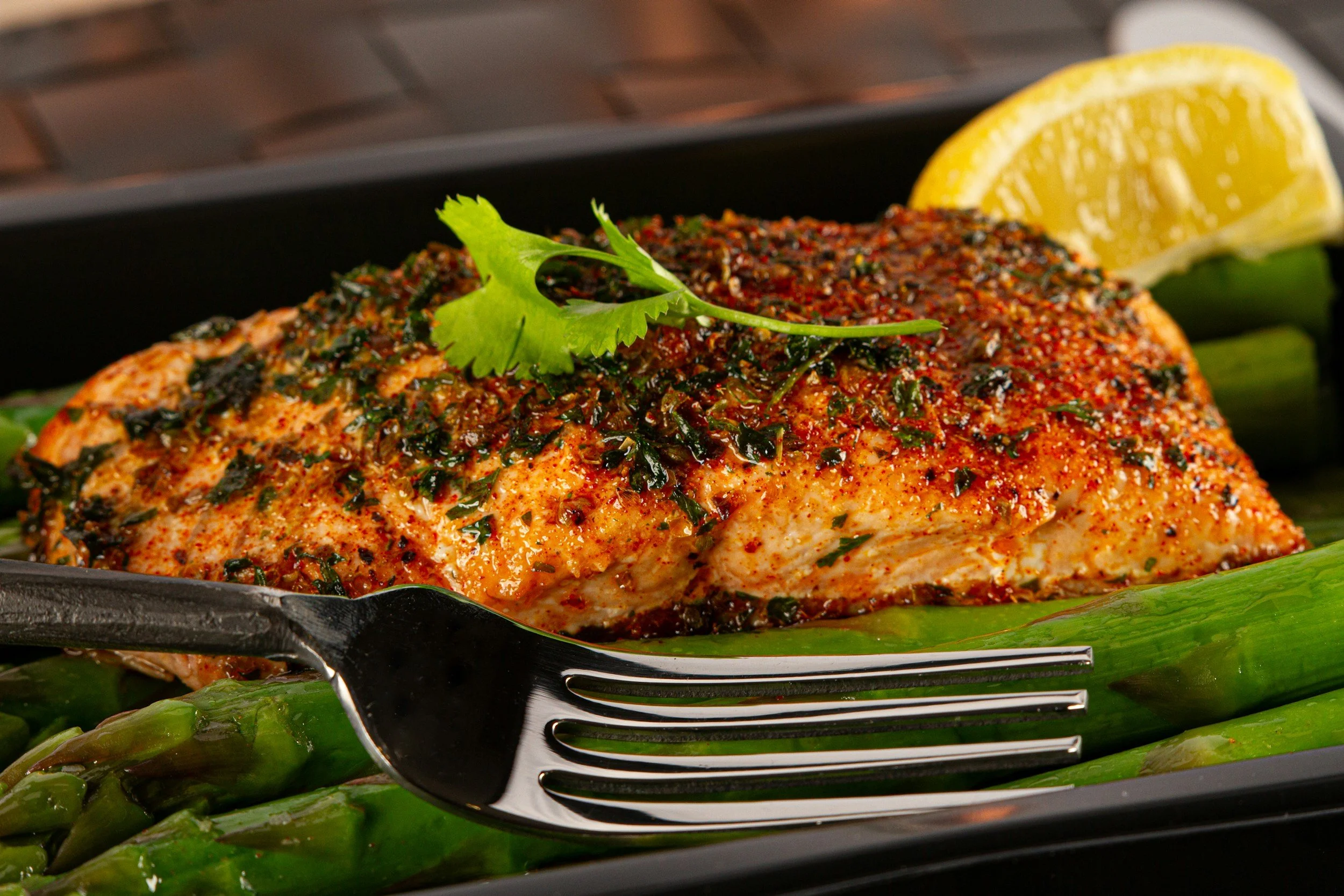
We love a good sheet pan meal at my house! It’s quick to throw together and easy to clean up. Pro tip - use parchment paper to line the sheet pan.
Social, Fun & Collaborative Approaches
Take turns - everyone who is able cooks a particular number of nights
Trade with neighbors - seriously old fashioned but SO fun
Family decision - everyone throws a bunch of favorite recipe names in a bowl, pull out several to create a weekly menu
Host a cooking party - I’ve done this! It’s work, but fun. Buy all the ingredients (or assign people to bring some) for each person to make 3 to 4 recipes. Divide ingredients, people (or teams). Prep and cook and together!
Themed by season or by days of the week:
Meatless Mondays (like this delish pasta)
Taco Tuesday (or enchiladas or burritos…)
Wild card Wednesdays - make a meal out of only things on hand
Traditional Thursday (roast veggies and chicken, or use the air fryer) etc.)
Friday - pizza CAN be healthy
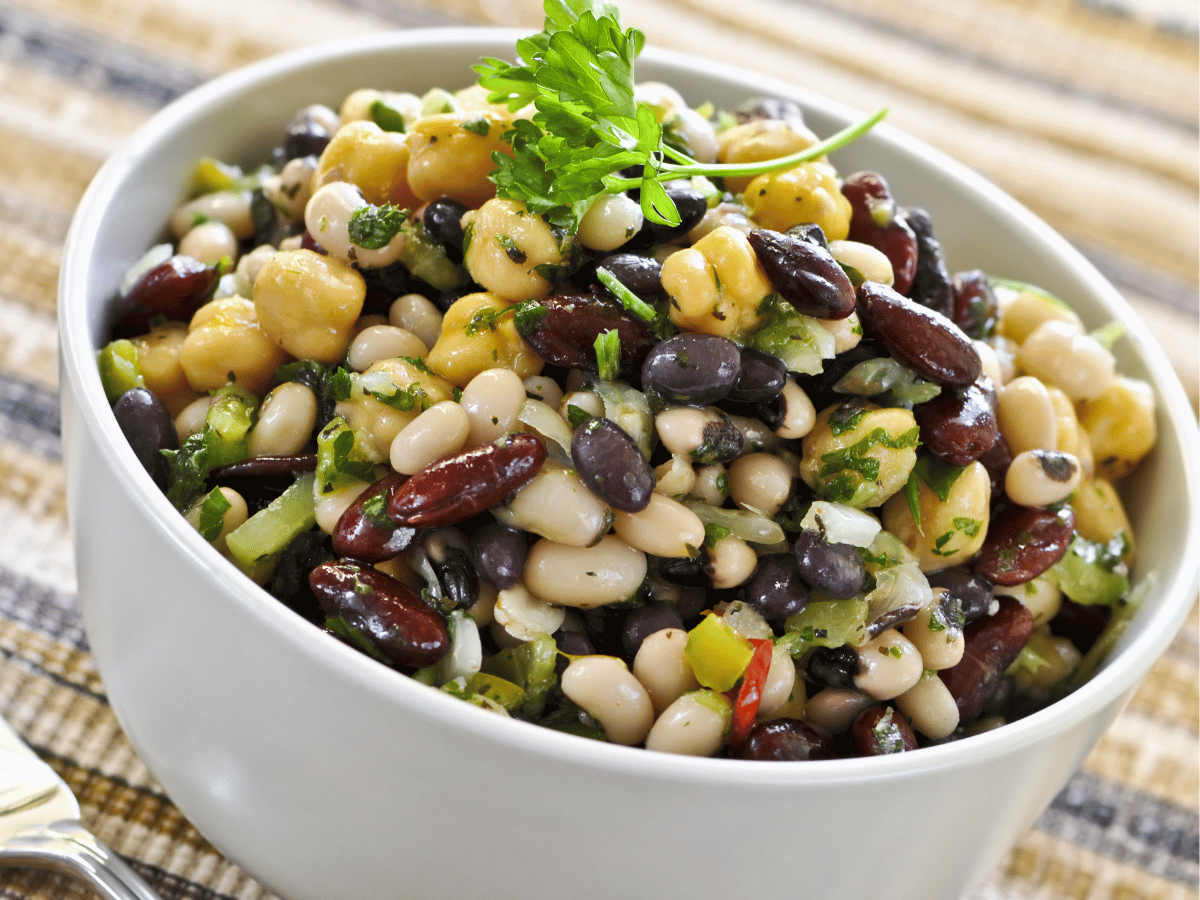
Get inspired by Dietitian Andria’s idea to throw together a quick vegetarian meal with a variety of beans, grains, and veggies.
Equipment to the Rescue!
Dust off that air fryer, crock pot, instant pot, rice cooker, juicer, etc.
Crock Pot:
Jar of Lemons has MANY crock pot ideas
Air Fryer:
Instant Pot:
Scenario: I want lunches for my kids prepared for a week:
Plan (ideally include them so they’ll eat it!) what to make or buy several premade items
Invest in some good Tupperware or bento boxes
Have them help you build:
Grapes, cheese stick, peanut butter banana sandwich
Yogurt in a freezer bag with cucumbers and hummus
Turkey slices, avocado, whole grain chips and an apple
Scenario: I want dinners planned all week but currently have none and zero time!
Start small. Pick ONE (or two) easy recipes that you like or would like to try
Aim for a few a week until you gather enough recipes - you may want to graduate to writing them down or saving them on an app which can also create grocery lists
Choose "thrown together meals" :
sweet potatoes: bake, open and smother with black beans and feta
Salmon bites: over greens
quinoa: addbaked chicken and sautéed veggies
roast your favorite veggies: asparagus/beets/carrots/squash/brussels sprouts (dash olive oil and toss) - add them to salads with beans or baked chicken/turkey or feta/goat
salad of any sort: use any greens like spinach/kale/arugula/watercress:
beans used in wraps or to top salads
Scenario: I’m overwhelmed by needing to feed multiple people three meals daily
Compile a list of favorite recipes
Consider using a rotating (cycle) menu that repeats every 2, 4 or 6 weeks
How many meals can you, and others in your household, realistically prepare in advance?
Really on ready to eat items for breakfast and lunch or quick and easy ingredients and mix it up: whole grain waffles/bread/wraps, yogurt and cottage cheese, brown rice, hummus, frozen vegetables, turkey slices, low fat milk, hard boiled eggs,
Cook once, eat several times and freeze extra
Contact a Chesapeake Nutrition dietitian and we can help guide you through using our meal planning program.
Scenario: I cooked everyday for years, now I don’t like to cook so I eat out most days.
Mix it up with a variety of ways to get food on the table:
Choose healthier versions at your favorite restaurants
Lean on pre-made foods: Choose low sodium, “healthier versions” of frozen meals or ready to eat meals from local grocery stores.
Sweet Earth – such as the Protein Lover’s Functional Bowl
Amy’s Kitchen – Vegan Chili Mac or many other options
Tattooed Chef
Daily Harvest – Harvest Bowls Frozen but unprocessed, whole veggies + grains
Trader Joe’s – Vegan Tikka Masala with Cumin Rice
Buy staples like packaged brown rice, sliced turkey, fresh easy to eat produce for salads, bowls, wraps to make simple meals.
Consider using a ready to eat meal through a meal delivery program.
Considerations to Help you get Started:
Do you think planning/preparation might help you eat healthier meals?
Which meals and for how many do you want to plan/prep?
What is one tiny step that might improve your week?
What do you realistically have the capacity to do?
What's your ideal scenario or dream week look like?
Do any of the ideas above sound easy or fun?
When can you plan?
Are others in your home interested in helping develop a plan?
When can you shop for ingredients? Can you order groceries on Instacart?
When can you prepare the meals? It doesn’t have to be SUNDAY:).
Simple, Realistic, Small changes add up:
Start with where you are. Start with something easy. You do NOT have to overhaul your life or meal prep like a professional. If you’re game, try one small thing (i.e. prep a favorite salad or veggies). Let's make this work for you and your life!