
How to Build a High Protein Diet for Muscle Gain
Post by Jodi Serafin, RDN, CDCES
Key Takeaways:
Aim for about 1.4–2.0 grams of protein per kilogram of body weight per day for muscle gain. Research suggests muscle-building benefits tend to level off around 1.6 g/kg/day for most people, so more protein isn’t necessarily better.
Spread protein throughout the day instead of saving most of it for dinner. Aim for roughly 20–40 grams of protein every 3–4 hours, using protein-rich meals and snacks to consistently support muscle repair and growth.
The best high protein diet for muscle gain is one you can actually maintain. Build meals around convenient high protein foods you enjoy, such as chicken, eggs, Greek yogurt, cottage cheese, tofu, beans, and edamame, and use protein powder for convenience when needed.
Protein is having a moment. Earlier this year the US Recommended Daily Allowance for protein was increased to 1.2-1.6 grams of protein per kilogram of body weight, supporting the idea that Americans may benefit from more protein in our diets. If you're looking to gain muscle, how much protein do you actually need?
The International Society of Sports Nutrition is clear that eating well beyond 1.6 grams of protein per kilogram of body weight doesn't add results. Yet most muscle-building advice still fixates on chasing higher totals. Try focusing on consistency: getting enough protein across real meals, on real days, in a way your schedule and appetite can actually sustain.
A high protein diet for muscle gain works best when it's personalized to your body, your schedule, exercise routine, and your appetite. That means setting a target you can meet most days, choosing foods you'll actually eat, and spreading protein across meals rather than cramming it all into one sitting. Our custom meal plans are built for that and are practical, balanced, and tailored to your goals.
Set A Daily Protein Target That Fits Your Body
How much protein do you need each day to support muscle gain? The honest answer is: it depends on you. Body size, training habits, appetite, and overall health all shape what a workable target looks like, and the number that works for someone else online may not be the right fit for your body or your week.
Your Body Size Sets the Starting Point
Research gives a useful starting range. The International Society of Sports Nutrition recommends 1.4–2.0 g of protein per kilogram of body weight daily for people doing resistance training. A large meta-analysis found that gains in muscle mass tend to plateau around 1.6 g/kg/day for most people. That means a 150-pound adult needs roughly 100–110 grams per day, not 200. Starting with a body-weight-based range keeps your goal grounded in something measurable.
A Realistic Range Beats an Extreme One
Swinging between under-eating protein on a busy Tuesday and forcing a large shake at 10 p.m. to catch up is one of the most common patterns that stalls progress. A dose-response meta-analysis found that even small, consistent daily increases in protein intake produce meaningful improvements in muscle mass over time. A target you can hit four or five days a week is more useful than a perfect number you hit once.
Smaller, Protein-Focused Meals Work Better With Lower Appetite
For anyone on a GLP-1 medication, or anyone who simply does not feel hungry often, trying to eat one large protein-heavy dinner is rarely practical. Spreading protein across smaller meals and adding a protein-rich snack or two gives your body more opportunities to support muscle repair without requiring a large appetite at any one sitting—something we cover in depth in our energy over 40 post.
Choose High Protein Foods You Will Actually Eat
The best high protein foods and meals for building muscle in a busy schedule are simply the ones you will keep buying, preparing, and eating week after week. Novelty and perfection have nothing to do with it. A short list of reliable foods you genuinely like will carry you much further than an elaborate plan that falls apart the moment your week gets busy.
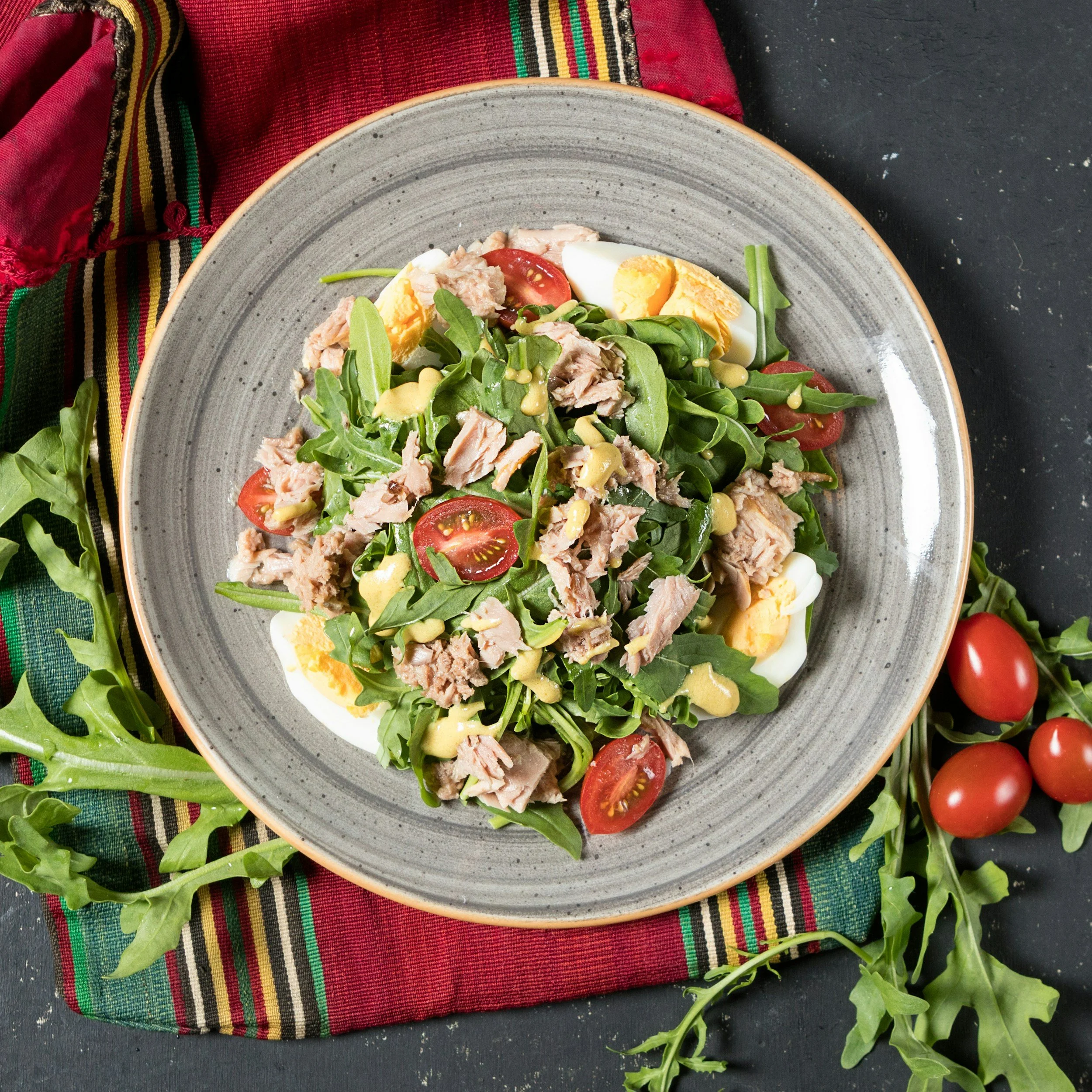
My tip - Hands down the easiest way to prep chicken is in the Instant Pot. Take fresh or frozen chicken breast or thighs and pressure cook. Let the meat cool down then use a hand mixer to shred the meat. Use in chicken salad, on a salad, and in wraps.
Research backs a food-first approach. Per-meal protein targets of around 25–30 grams are well-supported for muscle repair, and most whole-food sources can hit that range without much effort once you know your go-to options. A boneless, skinless chicken breast delivers roughly 26 grams of protein per 3.5-ounce serving, which makes it one of the most straightforward anchors for a lunch or dinner.
Here is a practical lineup that works for busy weeks:
Build your base with cook-once proteins. Batch-cook chicken thighs, hard-boil a few eggs, or pick up a rotisserie chicken on Sunday. These carry multiple meals without requiring daily cooking.
Lean on fridge staples for fast mornings. Greek yogurt, cottage cheese, and eggs are quick, require almost no prep, and each deliver 15–20 grams of protein in a small portion.
Pack plant proteins that travel well. Edamame, roasted chickpeas, and bean-based soups hold up in a bag or desk drawer and add protein alongside fiber that keeps you fuller between meetings.
Swap in protein pasta or tofu for easy dinners. Protein pasta can double the protein in a standard weeknight meal without changing your cooking routine, and firm tofu absorbs any sauce or seasoning you already use.
Use protein powder as a backup, not a foundation.Harvard Health notes that powders are a practical option for busy people, but whole foods should anchor your intake. A scoop stirred into oatmeal or a quick smoothie works well on mornings when time is genuinely short.
If your week feels unpredictable, Chesapeake Nutrition Company's weekly meal plan resources show how to build protein-forward meals around real schedules rather than ideal ones.
Spread Protein Across The Day And Match Training
Knowing how to spread protein throughout the day for muscle gain matters just as much as knowing your daily target. When protein is distributed across meals and snacks, your muscles get a steady supply of what they need to repair and grow, rather than scrambling to catch up at the end of a long day.
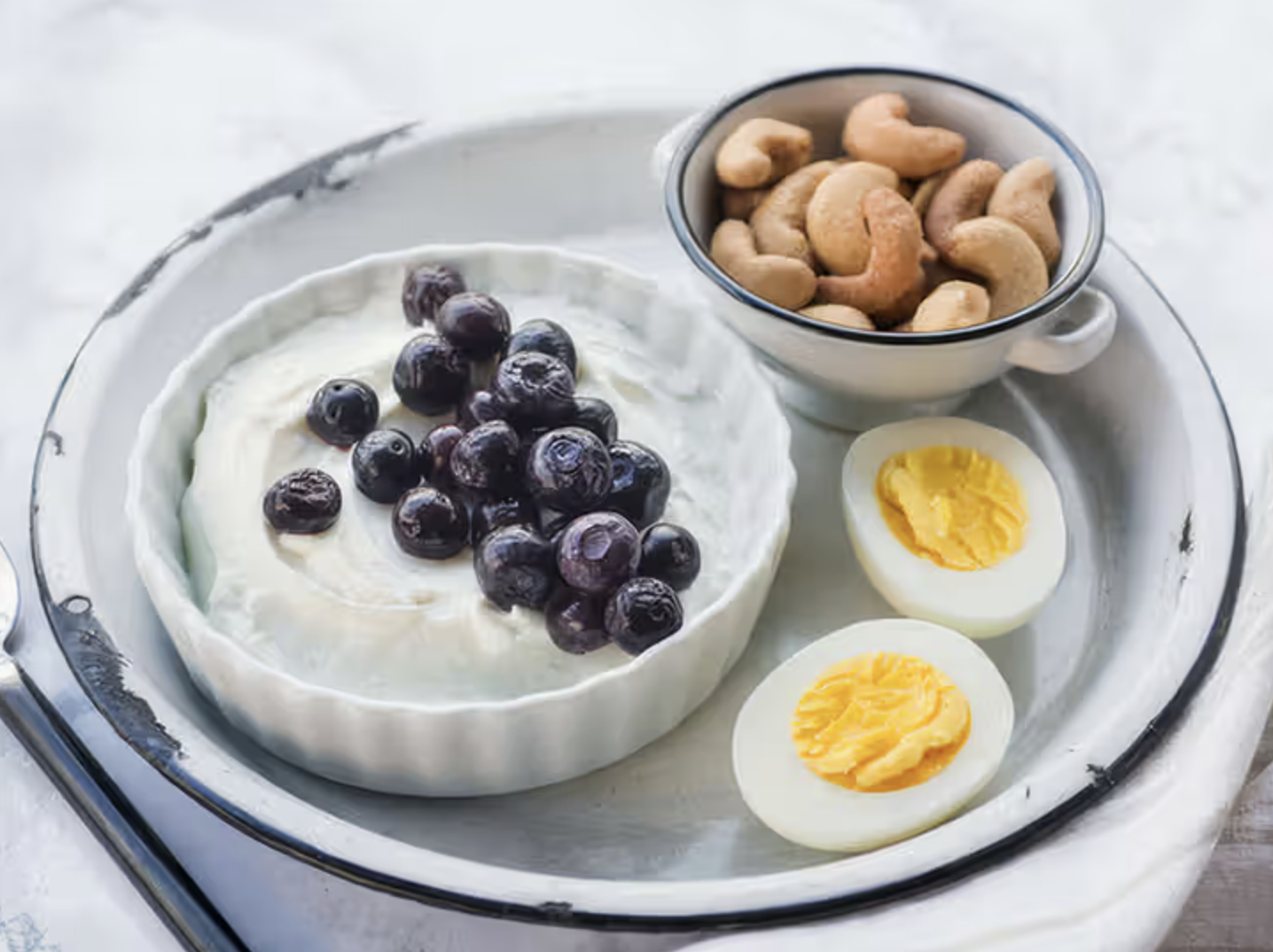
My tip - A cheese stick, a boiled egg, a low sugar Greek yogurt drink, and a mini Rx Bar are my go-to options for a quick protein hit!
Why Back-Loading Protein Works Against You
The ISSN recommends roughly 20–40 grams of protein every 3–4 hours to support muscle protein synthesis consistently. In practice, dinner is rarely the problem — it's breakfast running on coffee and a handful of crackers, and a lunch without a real protein anchor, that quietly undercut the day's total. Your muscles spend most of the day without adequate fuel for repair, then receive a single large dose they can only partially use. Distributing protein through the day closes that gap, and it's where most people's results are actually made or missed.
How Training Changes Your Protein Needs
Strength training increases your body's readiness to use protein for muscle repair, and research shows this elevated responsiveness can last up to 24 hours after a session. That does not mean harder training automatically requires dramatically more protein. It means the protein you eat on training days is put to especially good use, making consistency on those days more valuable than any single post-workout supplement.
A Simple Pattern That Actually Fits a Busy Week
Anchor a protein source at breakfast, lunch, and dinner, then add one or two protein-rich snacks around your schedule or workout. From there, adjust portions based on hunger and how your training is progressing. This flexible approach is what makes a high protein diet for muscle gain something you can realistically maintain, not just attempt. Chesapeake Nutrition Company's Custom Meal Plans are built around exactly this kind of practical, day-by-day structure.
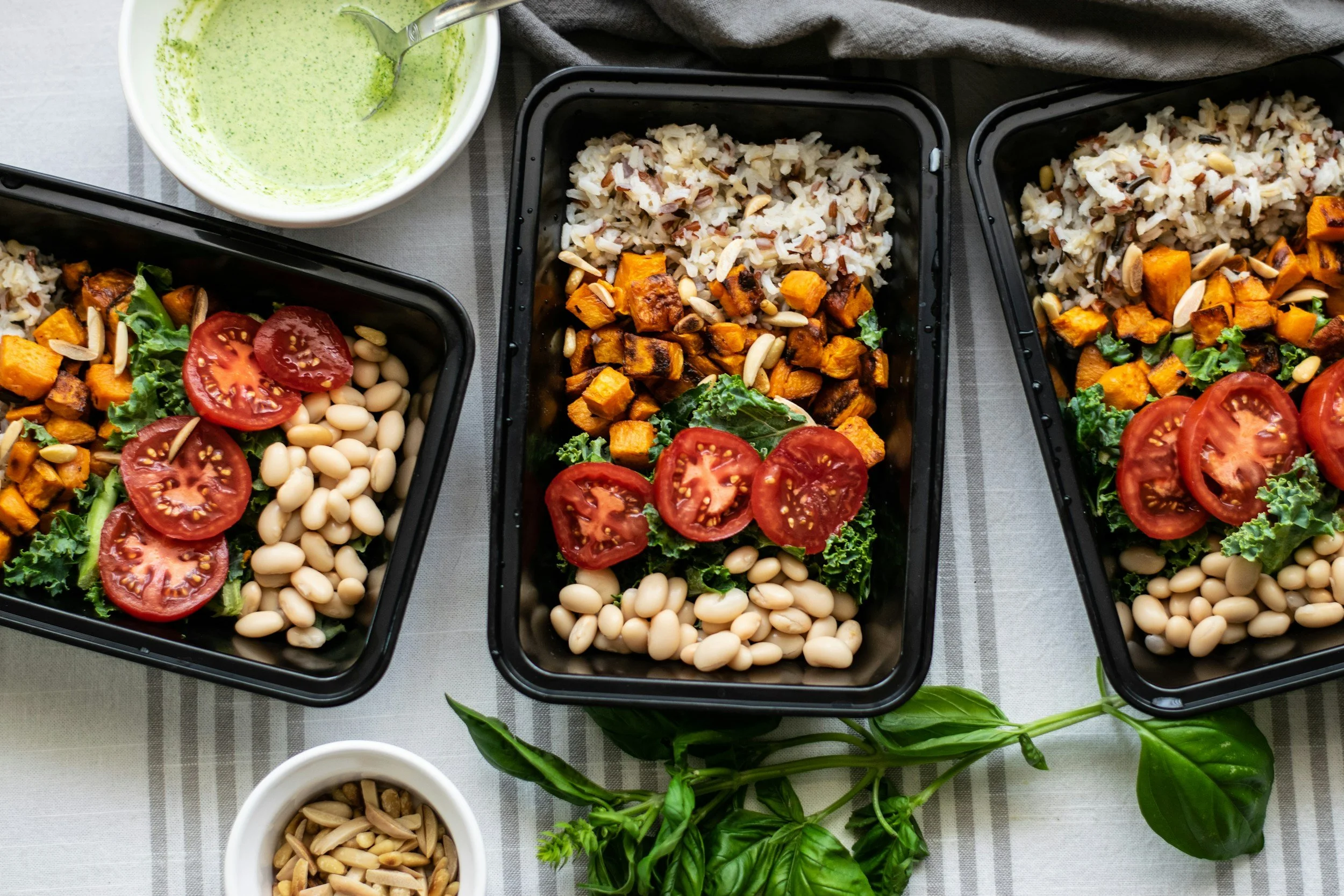
My tip - Joining our Meal Plan Program accelerates progress because it takes the guesswork out of spreading protein out throughout the day. With so many high-protein meal options, clients have the variety they need to keep food choices interesting.
Protein and Muscle Gain FAQ
Here are the questions that come up most often—with straightforward answers grounded in what the research actually shows.
Do you need protein powder to build muscle on a high protein diet?
No. Most people can meet daily protein needs through whole foods alone. ISSN research confirms that consistency with total daily intake matters more than the protein source. Powder adds convenience on a busy day, but Harvard Health notes it is not a requirement for most people.
Can you build muscle if your appetite is low or you are taking a GLP-1 medication?
Yes, and the approach just looks a little different. GLP-1 medications suppress appetite, making larger meals harder to manage. A 2025 study in the American Journal of Clinical Nutrition supports spacing smaller, protein-focused meals across the day and pairing them with resistance exercise to protect lean muscle.
What should you do if eating more protein makes meals feel unbalanced or too filling?
Add protein gradually rather than changing everything at once. Simple swaps, like choosing Greek yogurt instead of regular or adding edamame to lunch, raise protein without making meals feel heavier. Keeping carbohydrates and fats in your meals also helps them stay satisfying and easy to eat consistently.
Turn Protein Goals Into A Meal Plan You Can Keep
Getting the details right, like adjusting portions around training, managing appetite on GLP-1 medication, or knowing which swaps work for your schedule, is where personalized support makes a real difference. Chesapeake Nutrition Company's Custom Meal Plans give you a dietitian-prescribed, app-accessible plan built around your body, goals, and real life—not a generic template. Ready to put your protein goals into a plan that actually sticks? Schedule a discovery conversation to get started.