Best Foods for Hypothyroidism and Weight Management
Post by Andria McCormack, RDN
Key Takeaways:
A helpful hypothyroid meal for weight management starts with a balanced, repeatable plate—not restrictive food rules or a search for one 'best' thyroid food.
Protein at regular meals, paired with fiber-rich carbohydrates and simple plate-based portions, can make hunger, energy, and weight goals feel more manageable without obsessive tracking.
The most effective plan is the one you can repeat on stressful, low-energy days, which is why short meal rotations, stocked staples, planned leftovers, and personalized dietitian support matter more than perfection.
A helpful hypothyroid meal for weight management starts with a balanced, repeatable plate—not restrictive food rules or a search for one 'best' thyroid food.
Protein at regular meals, paired with fiber-rich carbohydrates and simple plate-based portions, can make hunger, energy, and weight goals feel more manageable without obsessive tracking.
The most effective plan is the one you can repeat on stressful, low-energy days, which is why short meal rotations, stocked staples, planned leftovers, and personalized dietitian support matter more than perfection.
If you've ever followed a "thyroid diet" and still felt like the scale wasn't budging, you're not alone. Many people with hypothyroidism try plan after plan, cutting out whole food groups or chasing the latest miracle ingredient, only to end up exhausted and no closer to their goals. The frustrating truth is that the problem is rarely your effort. It's usually the plan itself. A well-designed hypothyroid meal for weight management centers on a consistent, balanced eating pattern that fits your symptoms, your schedule, and your life—without food elimination or a long list of rules.
Here's what most "thyroid diet" content misses: the nutrients that support thyroid function—selenium, iodine, vitamin D—are already found in the everyday foods most people aren't short on when they're eating consistently. The gap isn't a missing superfood. It's a meal pattern that holds up on a Tuesday when energy is low and dinner still has to happen.
The clearest path forward is building balanced meals, using protein and portions in a way that feels manageable, and developing habits that don't collapse under real-life pressure. That's exactly what our registered dietitians help you do—with a plan built around your life, not a generic rulebook.
What Foods Should Be Included in a Balanced Hypothyroid Meal Plan for Weight Management?
A balanced hypothyroid meal plan for weight management is built on a consistent plate structure—protein, fiber-rich vegetables, a quality carbohydrate, and a healthy fat—not an "avoid" list. Most of the conflicting advice online stems from focusing on individual foods rather than the overall pattern. Here's what that structure looks like in practice.
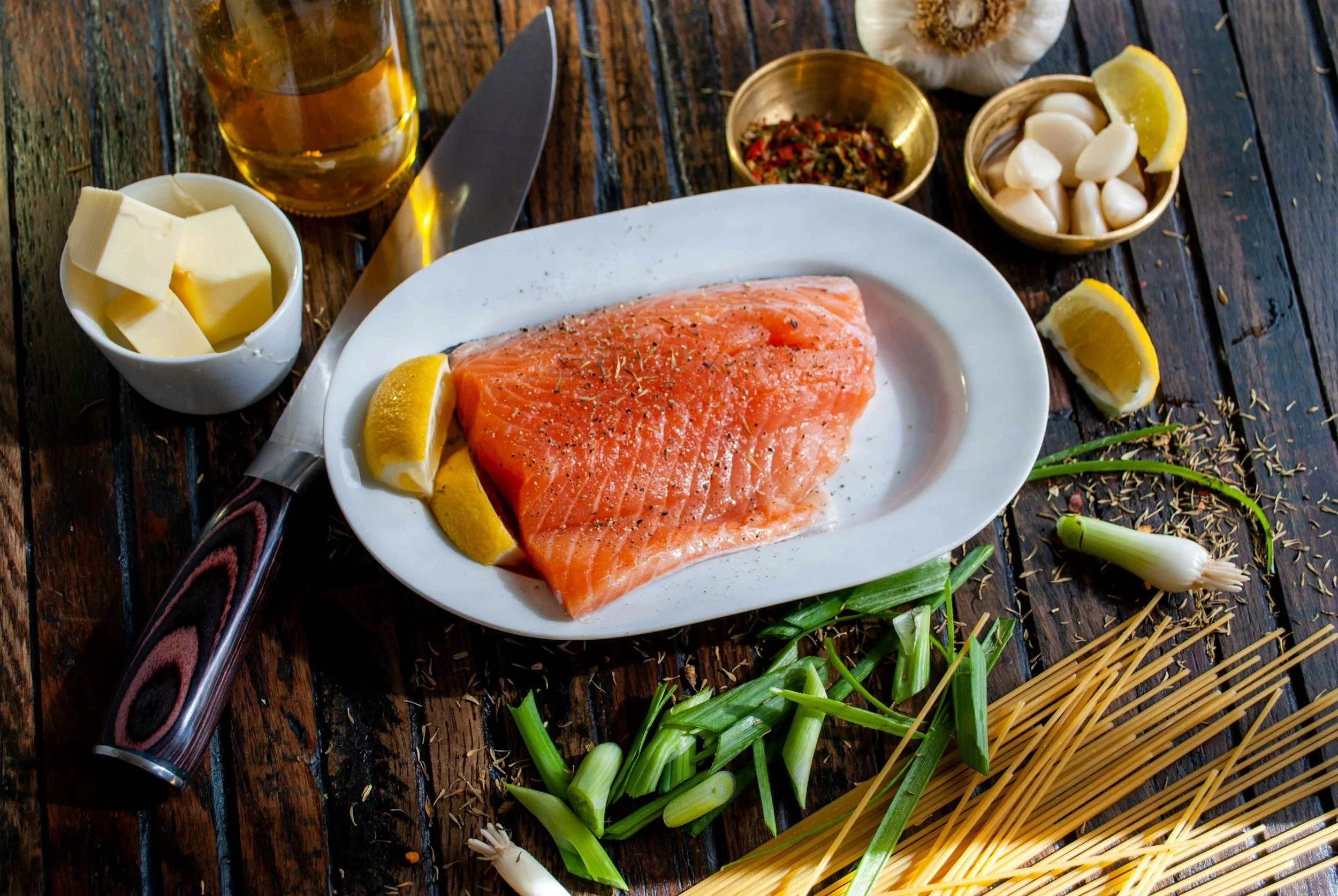
Tip: Try canned salmon mixed with plain Greek yogurt and chopped celery. You can enjoy it with a side cannellini bean salad, mixed with cucumbers and tomatoes, olive oil and a squeeze of lemon juice.
Build the Plate Before You Pick the Foods
The most useful hypothyroid meal follows a repeatable pattern: protein, fiber-rich vegetables, a steady carbohydrate, and a satisfying fat. The American Thyroid Association notes that hypothyroidism typically affects weight modestly, mostly through a slower metabolism. That means the goal is a meal structure that supports steady energy and fullness — not a dramatic dietary overhaul.
Which Foods Actually Work Well Together
Foods like salmon, eggs, Greek yogurt, chicken, lentils, and beans provide the protein your meals need. Leafy greens, berries, and other fiber-rich produce slow digestion and help with fullness. Whole grains, nuts, seeds, and olive oil round out a plate that's both nourishing and repeatable. A 2024 review in Nutrients also found that carbohydrate quality matters — favoring lower-glycemic, whole-food carbohydrates may better support thyroid function and weight than refined options.
The "Best" Food Is the One You'll Actually Eat
There's a reassuring truth buried in the nutrient research: the Academy of Nutrition and Dietetics identifies iodine, selenium, zinc, and iron as the key players for thyroid health—and those nutrients show up across a genuinely wide range of everyday foods, not a short list of specialty items. That means you're not hunting for the one perfect ingredient. You're building a pattern from foods you already know and can actually prepare on a regular Tuesday. That regularity—not the ingredient—is what supports weight management over time.
How Portion Control and Protein Help With Hypothyroid-Related Weight Gain
One of the more frustrating parts of hypothyroid-related weight gain is that it often comes with a persistent sense of hunger that makes sticking to any meal plan feel like a losing battle. That's not a willpower problem. Research shows that thyroid hormones influence appetite through brain signaling, so when those hormones are low or inconsistent, your hunger cues can feel harder to manage. Understanding how portion control and protein help with hypothyroid-related weight gain means working with that biology, not against it.
Here's what that looks like in practice:
Anchor each meal with protein. Eating protein at regular intervals throughout the day, rather than loading it into one meal, helps steady your appetite and reduce the "always hungry" feeling that tends to peak during high-stress periods.
Build portions into your plate, not a tracking app. Structuring your plate visually, such as filling half with vegetables, a quarter with protein, and a quarter with a whole-grain carbohydrate, is a practical, evidence-backed approach that keeps portions consistent without obsessive counting.
Pair protein with fiber-rich carbohydrates. This combination slows digestion and supports more stable energy across the day, which is especially helpful when fatigue is already a symptom you're managing.
Avoid grazing as a default. Snacking on refined foods between unstructured meals may feel satisfying in the moment, but it tends to undercut fullness at your next meal and makes it harder to notice when you're genuinely hungry versus stressed or tired.
Keep stress and portion size connected. Stress can quietly increase how much you eat without you registering it. A plate-based structure gives you a consistent anchor on high-stress days when emotional eating is more likely to surface.
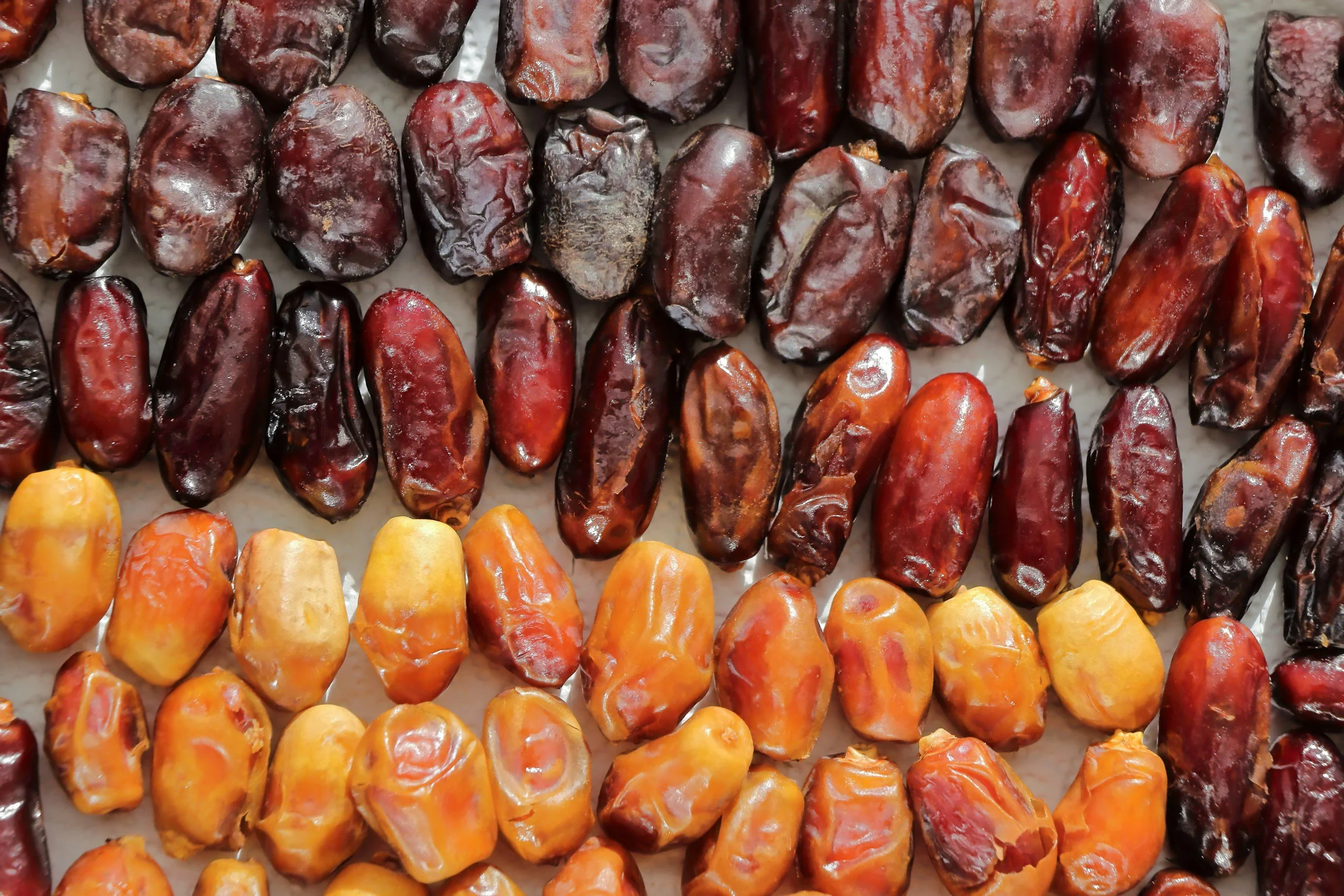
Tip: Three Medjool Dates with a handful of pistachios are loaded with nutrients for a balanced snack. Plus, it offers a little sweet with a little salty!
The goal here isn't a rigid system. It's a repeatable framework that makes meals feel predictable and satisfying, because that steadiness is what actually supports weight management over time. If you want help translating this into a structure that fits your schedule and food preferences, personalized counseling and meal planning can make that a lot easier to put into motion.
What Meal Planning Habits Make a Hypothyroid Diet More Sustainable for Long-Term Weight Management?
Knowing what to eat is one thing. Actually getting it on the table consistently, especially on the days when energy is low and stress is high, is where most plans fall apart. What makes a hypothyroid diet sustainable for long-term weight management is simpler than most people expect.
Keep a Short Rotation of Repeat Meals
A short list of meals you already know how to make beats an elaborate weekly menu every time. When motivation dips, familiarity wins. Three or four reliable dinners, two go-to lunches, and a handful of easy breakfasts give you structure without decision fatigue. Our meal planning tips expand on how simple rotations make consistency far more achievable in real life.
Stock the Right Staples
A well-stocked kitchen does most of the heavy lifting on hard days. A large U.S. population study found that dietary patterns built around oils, nuts, seafood, and lean proteins were associated with better thyroid outcomes, and these are also among the easiest foods to keep on hand. Think canned salmon, frozen vegetables, Greek yogurt, bagged salad, eggs, and cooked grains. When balanced ingredients are already there, a good meal takes minutes, not motivation.
Plan for Real Life, Not a Perfect Week
Sustainable meal planning leaves room for stress, cravings, family schedules, and the occasional off day. A collaborative meal planning approach, built around your actual preferences and routines, holds up far better than a rigid plan copied from the internet.
Let Planned Leftovers Work for You
Cooking once and eating twice is one of the most underrated habits for hypothyroid weight management. Roasting a sheet pan of vegetables, batch-cooking a grain, or grilling extra protein on the weekend takes the same amount of effort and gives you two or three days of easy meals. Chesapeake Nutrition Company's Custom Meal Plans are built with this kind of real-life flexibility in mind, including swappable recipes and grocery lists that make leftovers part of the plan rather than an afterthought.

Tip: Planning ahead can look like chopping raw vegetables and refrigerating them to use all week for salads, roasting, stir-frying or snacking. Try raw veggies with hummus for a filling, fiber rich snack.
Hypothyroid Meal Patterns for Weight Management FAQ
Managing hypothyroidism and weight at the same time raises a lot of questions, and it's easy to find conflicting answers online. Here, we address some of the most common points of confusion with straightforward, evidence-based answers.
Are There Foods I Should Avoid Completely With Hypothyroidism?
Very few foods need to come off the table entirely. High amounts of raw cruciferous vegetables or excess soy can affect thyroid hormone absorption in some people, but moderate intake is generally not a concern. The pattern of eating you build over time matters far more than avoiding any single food.
Is a Low-Carb or Very Low-Calorie Plan the Best Choice for Hypothyroid Weight Management?
Not necessarily—and for people managing hypothyroid fatigue, restriction often backfires faster. A Cochrane systematic review found no clinically meaningful weight loss advantage for low-carb diets over balanced diets at two years. When fatigue is already a daily variable, a plan that depends on strict food rules is one that tends to collapse under pressure.
Adherence matters far more than macronutrient ratios, and a balanced hypothyroid meal pattern you can actually maintain on a hard week will serve you better than a perfect one you abandon on the first low-energy day.
What If Stress Eating or Low Energy Keeps Getting in the Way?
Stress and low energy can undermine weight management even when your meals are nutritionally solid—and with hypothyroidism, where fatigue is already a common symptom, those barriers tend to run deeper than willpower. Our personalized counseling helps identify those specific barriers and build strategies around them, so the plan holds up on hard days.
Turn a Good Meal Idea Into a Plan You Can Actually Follow
General advice about hypothyroid eating is everywhere. The real challenge is fitting it into your schedule, your symptoms, and the foods you'll actually prepare. Because hypothyroidism affects everyone differently, a custom hypothyroid meal plan for weight management works best when it's built around your specific life, not borrowed from a generic source.
A Registered Dietitian Nutritionist can take that general guidance and translate it into step-by-step meals and routines that actually hold up on the days when energy is low and motivation isn't there to lean on. The pattern you repeat consistently—even imperfectly—does more for weight management than any single food ever could.
Find out how Chesapeake Nutrition Company can build a personalized meal plan matched to your hypothyroid symptoms, weight goals, and real daily routine.