
Best Healthy Bread: What Dietitians Look For First
Post by Jodi Serafin RDN, CDCES
Key Takeaways
The healthiest loaf is not automatically the one with the fewest carbs—it is the one with real fiber, whole grain ingredients first, and a portion size that fits your meal and blood sugar goals.
Front-of-package words like “multigrain,” “natural,” and “45-calorie” can mislead, so our dietitians recommend flipping to the label and checking serving size, fiber, protein, and the first ingredient before you buy.
For everyday sandwiches and toast, breads with about 3 or more grams of fiber per serving and a whole grain base tend to keep you fuller and support steadier blood sugar better than refined or net-carb-driven options.
Pick up a loaf labeled "Whole Grain White" or "Made With Whole Wheat" and you might be getting mostly refined (white flour based) bread. That's not a misread—it's how bread packaging is legally permitted to work. A brand can feature the word "whole" prominently on the front while listing enriched wheat flour first on the back, and nothing about that is deceptive under current labeling rules. The front of the loaf is designed to market; the back is where the actual information lives.
The best healthy bread isn't the one with the lowest carb count on the shelf. Dietitians look first at fiber, whole grain ingredients, protein, and serving size—the numbers that predict how a bread actually behaves after you've eaten itl. The American Diabetes Association points out that the type of carbohydrate matters as much as the amount, which is why looking past marketing language pays off. Chesapeake Nutrition Company's diabetes management services help you turn label reading into a practical skill you can use on every grocery trip.
Here is how some popular breads commonly found in American grocery stores compare on the numbers that actually matter:
| Bread Brand & Type | First Ingredient | Fiber (per slice) | Protein (per slice) | Total Carbs (per slice) | Dietitian Note |
|---|---|---|---|---|---|
| Dave's Killer Bread 21 Whole Grains & Seeds (thin-sliced) | Whole wheat flour | 3g | 4g | ~12g | Strong fiber and whole grain profile; a reliable everyday pick |
| Ezekiel 4:9 Sprouted 100% Whole Grain | Sprouted whole wheat | 3g | 4g | ~15g | Sprouted grains may support gentler blood sugar response |
| Oroweat 100% Whole Wheat | Whole wheat flour | 2g | 4g | ~15g | Solid choice; widely available and family-friendly |
| Nature's Own 100% Whole Wheat | Whole wheat flour | 2g | 3g | ~12g | Budget-friendly with a clean ingredient list |
| Arnold 12 Grain | Whole wheat flour | 2g | 4g | ~16g | Good variety; check that whole wheat leads the ingredient list |
| Sara Lee Delightful 45 Calories | Enriched wheat flour | 2g | 2g | ~9g | Lower calorie but refined flour leads the ingredient list; fiber is modest |
| Pepperidge Farm Whole Grain White | Unbleached enriched wheat flour | 1g | 3g | ~22g | "Whole grain" on the label, but refined flour comes first |
| Sola Golden Wheat (low-carb) | Wheat gluten | 6g | 9g | 14g (2g net) | High isolated fiber; works for some, but whole food ingredients are limited |
Nutrition values are approximate per one-slice serving based on standard label data and may vary slightly by product run or regional packaging.
As the Mayo Clinic notes, a genuine whole grain bread lists a whole grain as its very first ingredient. That one detail separates breads that deliver real nutritional value from those that simply borrow the language. The sections ahead break down exactly what to look for on the label, which ingredients support steadier blood sugar, and whether low-carb loaves are truly worth the trade-off.
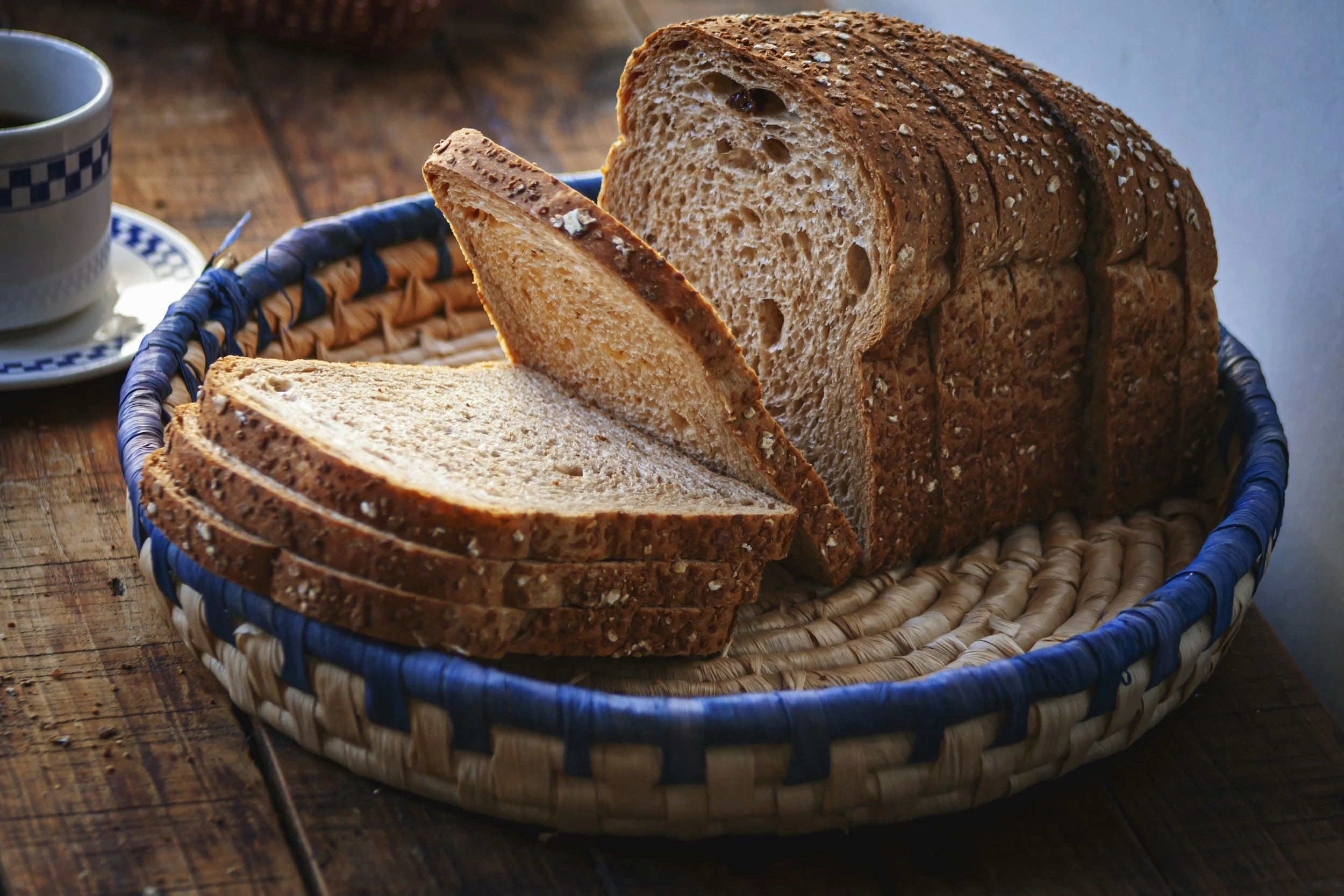
My Tip: If some family members won't touch whole wheat bread, purchase your own loaf and freeze some of it so it won't go to waste. Wrap it tightly in plastic wrap and foil to keep fresh.
Read The Label Before You Read The Claims
The front of a bread package is designed to sell you something. Words like "multigrain," "made with whole wheat," or "natural" sound reassuring, but they don't actually tell you much about what you're eating. Knowing what to look for on the label when choosing whole grain bread is the most reliable shortcut in the entire bread aisle.
The Nutrition Facts Panel Comes First
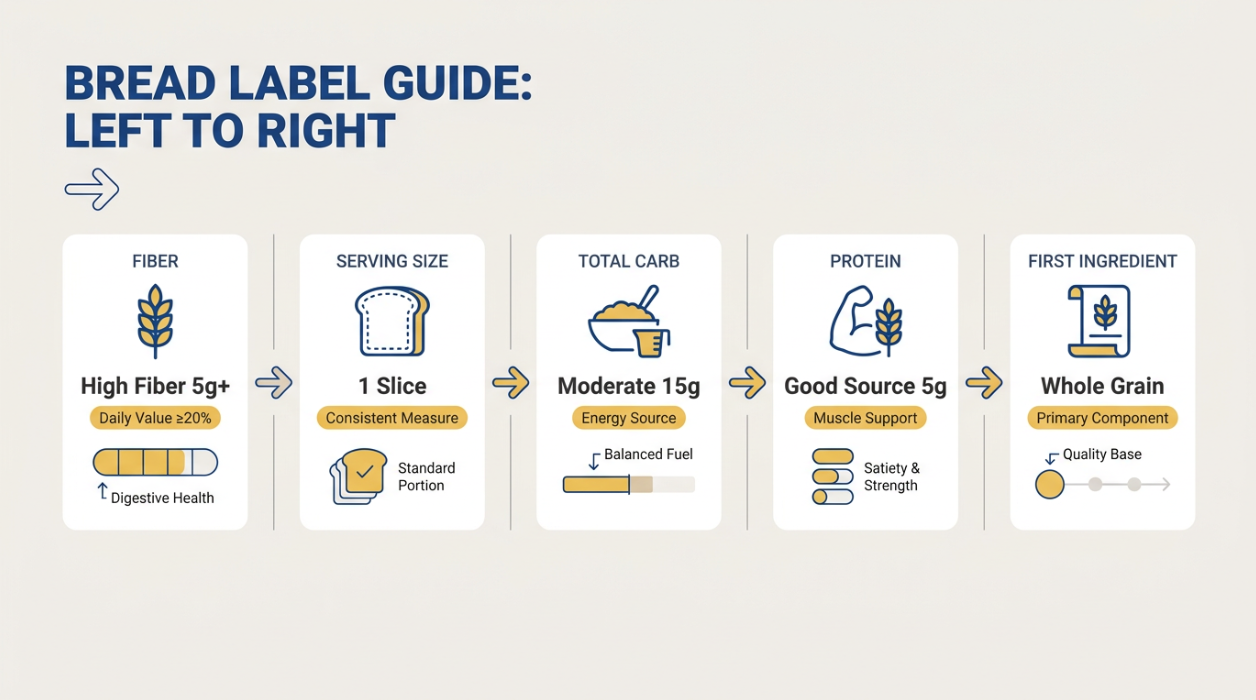
Flip the package before you even look at the front. The FDA recommends checking serving size first, because every number on the label is based on it. From there, focus on total carbohydrate, dietary fiber, and protein. These three figures together give you a much clearer picture of how a bread will actually behave in your body than any front-label claim ever will.
Fiber Is the Number That Matters Most
The American Diabetes Association considers 5 grams of fiber per serving a high-fiber food and 2.5 grams a good source. For bread, that threshold matters. A slice with at least 3 to 5 grams of fiber slows digestion, supports steadier blood sugar, and helps you stay full longer. A slice with under 1 gram of fiber, regardless of what the front label says, is closer to fast-digesting starch than a true nutrition contributor.

My Tip: High fiber is helpful... most of the time. Have a big glass of water with your sandwich if you're doing very high fiber bread to avoid constipation.
The Ingredient List Confirms the Story
Once you've checked the panel, scan the ingredient list. According to the Academy of Nutrition and Dietetics, the word "whole" should appear before the first grain listed, such as "whole wheat flour" or "whole oats." If enriched flour leads the list, the bread is primarily refined grain, no matter how hearty it looks. Breads that pair a whole grain base with some protein tend to support more lasting energy than soft, low-fiber loaves, as our team has shared in our bread comparison guide.
How Popular Grocery Store Breads Actually Compare
Here's a look at common breads you'll find at most American grocery stores, measured per one-slice serving:
| Bread | First Ingredient | Fiber per Slice | Protein per Slice | Notes |
|---|---|---|---|---|
| Dave's Killer Bread 21 Whole Grains & Seeds | Whole wheat flour | 5g | 5g | Strong fiber and protein combo; one of the better everyday picks |
| Ezekiel 4:9 Sprouted Grain | Organic sprouted whole wheat | 3g | 4g | Sprouted grain; no added sugar; kept in the freezer section |
| Pepperidge Farm 100% Whole Wheat | Whole wheat flour | 3g | 4g | Solid label; widely available and family-friendly |
| Arnold 100% Whole Wheat | Whole wheat flour | 3g | 4g | Reliable whole grain base; reasonable fiber for the price point |
| Nature's Own 100% Whole Wheat | Whole wheat flour | 2g | 3g | Meets the minimum; fine as a starting point but not a standout |
| Sara Lee Delightful 45-Calorie Wheat | Enriched wheat flour | 2g | 3g | Low calorie but refined grain leads; fiber is modest |
| Wonder Classic White | Enriched wheat flour | 0.5g | 2g | Refined flour first; minimal fiber; not a meaningful contributor |
A few things stand out here. Dave's Killer Bread earns its reputation because it actually delivers on fiber and protein, not just marketing. The "45-calorie" style breads that seem like a smart weight-loss move often trade fiber and whole grain quality for a lower calorie number, which doesn't always serve blood sugar or fullness goals well. As we cover in our guidance on lowering A1c, pairing a fiber-containing carbohydrate with protein and healthy fat is what moves the needle, and that starts with choosing a bread that actually brings fiber to the table.
Ingredients That Support Steadier Blood Sugar
Here's what most bread shoppers miss: two loaves can carry identical fiber counts and still affect your blood sugar very differently. A 2020 study published in Diabetes Care found that intact, less-processed whole-grain ingredients lowered post-meal glucose more than finely milled whole-grain flour—even when fiber content between the two was the same. How a grain is processed inside the loaf changes how your body handles it. That's why knowing which bread ingredients help support steadier blood sugar levels starts with the ingredient list, not just the fiber gram on the nutrition panel.
Look for whole grain flour or whole wheat flour as the very first ingredient on the list.
Intact grains and seeds like flaxseed, oats, or sunflower seeds add fiber and naturally slow digestion.
Bran contributes soluble fiber, which a PLOS Medicine meta-analysis links to improved glycemic control in people managing diabetes.
Skip loaves where enriched white flour or added sugar appears at the top of the ingredient list.
Pair any fiber-rich bread with protein or healthy fat to further support a steadier blood sugar response.
No single ingredient makes or breaks a loaf. A bread built around whole grains, eaten as part of a balanced meal, gets you much further than searching for one perfect fix, which brings up a question worth addressing directly: is low-carb bread actually the better call?
Low-Carb Bread Vs. High-Fiber Bread
Reaching for the loaf with the lowest carb count feels logical, especially when managing prediabetes or trying to lose weight. A 2024 rapid review and meta-analysis found that higher-fiber, higher-carbohydrate diets produced better blood sugar and lipid outcomes than lower-carbohydrate diets that simultaneously reduced fiber. That finding matters in the bread aisle because some low-carb loaves cut carbs partly by stripping out the fiber and whole grains that make bread satisfying and worth eating day after day. Whether low-carb bread is always the best choice for weight loss and prediabetes really comes down to what replaced those carbs and whether the loaf still delivers meaningful nutrition.
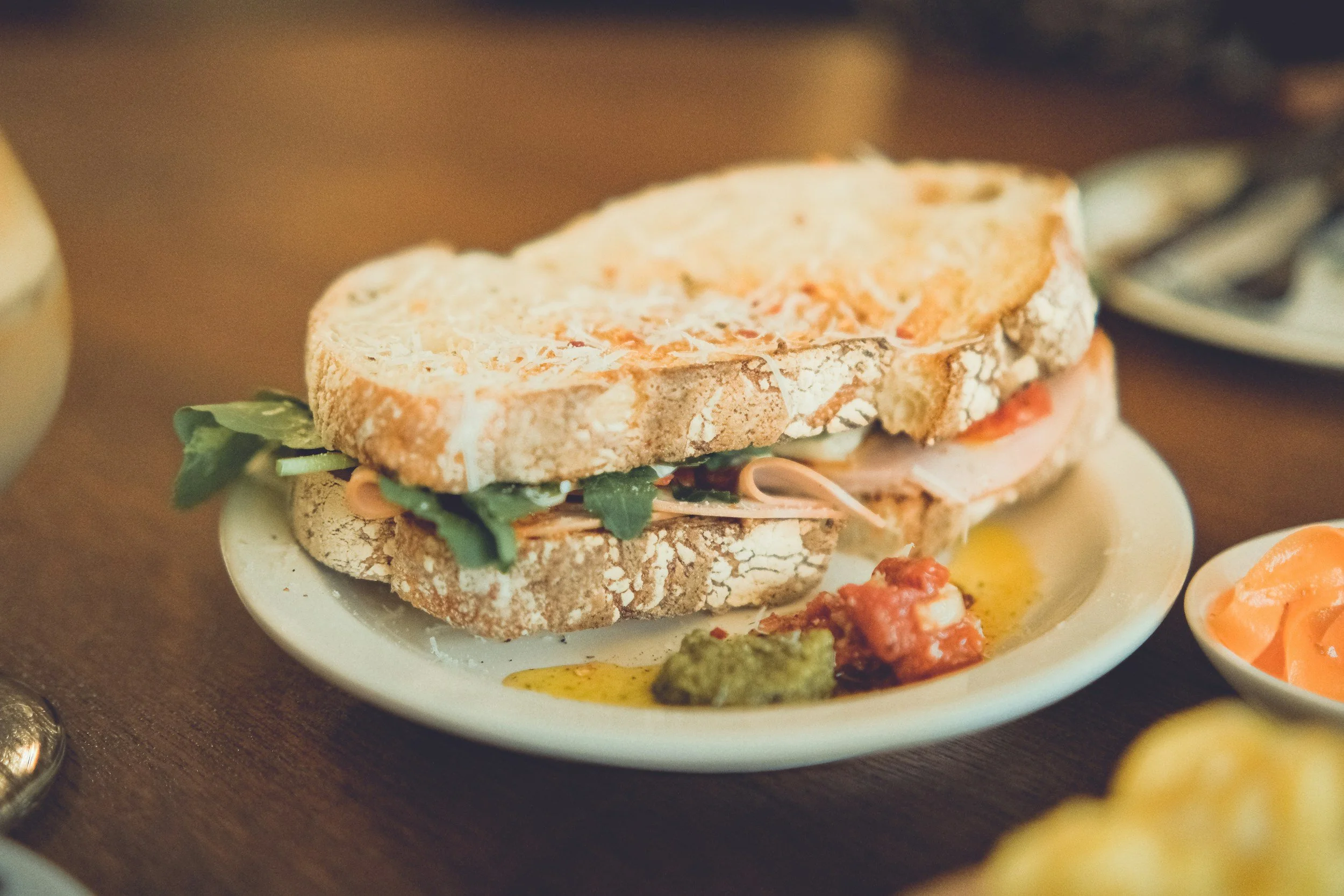
My Tip: I tell clients who are skeptical of moving from white bread to whole wheat to try one slice of whole wheat and one slice of white bread to make a sandwich. Over time your taste buds might adapt to the whole wheat/whole grain bread.
What about Net Carbs?
"Net carbs" is not a standardized or regulated term, and the fiber sources used to lower that number don't affect every person's blood sugar identically. A Stanford-authored review reinforces this, finding that while low-carbohydrate eating can offer short-term glycemic benefits, long-term superiority over balanced, high-fiber approaches is not well established, and carb quality matters just as much as carb quantity. As one of our own dietitians discovered through continuous glucose monitoring, blood sugar response depends on the full meal, not a single number on a label, which is exactly why looking at fiber, protein, and ingredients together gives you a clearer picture than net carbs alone.
Healthy Bread FAQ
Once you start reading labels closely, a new round of questions tends to surface—especially around net carbs, fiber thresholds, and which bread style actually earns its place at the table when you're managing prediabetes or working toward a weight goal. These are the questions our dietitians hear most often, with answers grounded in current evidence, focused on the best breads for weight loss and prediabetes.
What are net carbs, and do they matter when choosing bread for prediabetes?
Net carbs subtract fiber and sugar alcohols from total carbohydrates. The American Diabetes Association recommends focusing on total carbohydrate rather than net carbs for diabetes management. Some added fibers do not affect blood sugar the same way naturally occurring fiber does. Total carbs paired with ingredient quality gives you a more reliable picture than a net carb number alone.
How much fiber should healthy bread have to keep you full longer?
For a single bread serving, 3 grams of fiber or more is a practical benchmark. Clinical guidance sets a daily target of around 14 grams of fiber per 1,000 calories, and a fiber-rich bread choice is a straightforward way to work toward that number while also slowing digestion and supporting fullness.
Is sourdough, sprouted grain, or whole wheat bread best for weight loss and blood sugar?
All three can work well. Research shows sourdough fermentation can reduce a bread's glycemic response by increasing resistant starch. Sprouted grain and 100% whole wheat both offer solid fiber and whole grain content. The specific brand and formula matter as much as the bread style, so always flip to the label. Our own overview of resistant starch explains why food preparation and grain processing affect blood sugar more than most people expect.
Popular Bread Brands at a Glance
Values below are approximate per serving (typically 2 slices). Use these as a starting reference, not a final answer, since formulas vary by product line.
| Brand & Type | First Ingredient | Fiber (per serving) | Protein (per serving) | Dietitian Note |
|---|---|---|---|---|
| Dave's Killer Bread 21 Whole Grains & Seeds | Whole wheat flour | ~5g | ~6g | Strong whole grain profile; one of the better mainstream picks |
| Ezekiel 4:9 Sprouted Grain | Organic sprouted wheat | ~6g | ~8g | No added sugar; sprouted grains support digestibility |
| Arnold 100% Whole Wheat | Whole wheat flour | ~4g | ~6g | Reliable everyday option; check serving size carefully |
| Pepperidge Farm Whole Grain 15 Grain | Whole wheat flour | ~4g | ~6g | Good fiber; confirm "whole grain" is the first ingredient |
| Sara Lee Classic 100% Whole Wheat | Whole wheat flour | ~2g | ~4g | Common pick, but fiber is on the lower end |
| Aldi L'Oven Fresh Keto Bread | Modified wheat starch | ~9g (mostly added fiber) | ~7g | High fiber count comes from additives, not whole grains; evaluate total carbs in context |
The brands with whole wheat flour or sprouted grain listed first tend to deliver more consistent nutrition across servings. The diabetes nutrition counseling team at Chesapeake Nutrition Company can help you match specific brands to your personal carbohydrate goals and blood sugar patterns.
Choose Bread You’ll Use
The bread worth buying is one you will actually reach for again next week. Fiber, whole grain ingredients, and a sensible portion are what move the needle on blood sugar and fullness. No single loaf is right for every person or every meal. The ADA's 2024 Standards of Care support individualized nutrition guidance as a cornerstone of diabetes management, which means your best bread fits your taste, your budget, and your family table.
That means the practical move isn't hunting for the lowest net-carb number—it's finding a loaf where a whole grain leads the ingredient list, fiber reaches at least 3 grams per slice, and a portion fits comfortably inside a balanced meal. Pair it with protein and a healthy fat, and you have a combination that genuinely supports steadier blood sugar and lasting fullness, regardless of what the front label claims. When you're ready to build a plan around foods you already enjoy, the diabetes nutrition counseling team at Chesapeake Nutrition Company can help you match the right bread—and the right meal pattern—to your goals, your budget, and your table.