
Your Guide to Nutrition Support for High Cholesterol and Blood Pressure
Post by: Shannon Svikhart, RDN
Key Takeaways:
A DASH-style eating pattern rich in fiber, lean proteins, and healthy fats can effectively lower both cholesterol and blood pressure when paired with smart sodium choices.
Structured meal planning and simple lifestyle changes—such as regular movement, quality sleep, and stress management—significantly improve heart health outcomes.
Personalized nutrition counseling from Registered Dietitian Nutritionists provides tailored support, helping you turn evidence-based strategies into sustainable habits for lasting results.
One day you read that eggs are bad for cholesterol, the next they're fine. Salt is evil, then you hear about "good" salt. If you're tired of conflicting advice about managing your numbers, you're not alone.
Here's what actually works: evidence-based nutrition support for high cholesterol and blood pressure doesn't have to be complicated. A DASH-forward eating pattern rich in fiber, combined with smart sodium choices and simple meal planning, can address both conditions together. You'll discover foods that pull double duty, realistic weekly planning steps, and lifestyle habits that support lasting results.
Ready to get clear, personalized guidance in Maryland and Virginia? Chesapeake Nutrition Company offers expert support through individualized nutrition counseling for managing cholesterol and blood pressure.
The best foods to lower high cholesterol and blood pressure work double duty for your heart. Research shows that specific dietary choices can significantly reduce both LDL cholesterol and blood pressure by 8 to 15 percent when combined into a consistent eating pattern.
Start With Soluble Fiber for LDL Reduction
Soluble fiber directly blocks cholesterol absorption in your digestive system. Research shows that each 5-gram increase in soluble fiber lowers LDL cholesterol by about 6 mg/dL. Aim for 10 to 25 grams per day from oats, barley, beans, okra, and apples. Mayo Clinic notes that one serving of oatmeal provides 3 to 4 grams of soluble fiber. Start with one or two high-fiber swaps each day to avoid digestive discomfort.
Beyond Fiber, Your Overall Meal Structure Matters Too
The DASH eating plan decreases both blood pressure and improves cholesterol levels through specific food group proportions. Fill half your plate with vegetables and fruits, one quarter with lean protein like fish or beans, and one quarter with whole grains. Keep sodium between 1,500 and 2,300 mg per day unless your doctor advises differently. This pattern provides the potassium, magnesium, and fiber your heart needs while controlling sodium.

My Tip: Aim for fruit and veggie heavy lunches that last all week. Mix and match (or add it all):
Bag of mixed greens
Easy open cooked quinoa, white beans
Tuna or salmon in a can
Olives or capers
Apples or pears
Feta or goat cheese
Seeds and nuts
Dash of dressing with vinegar
Include Heart-Healthy Fats and Plant Sterols
Replace saturated fats with olive oil, nuts, seeds, and fatty fish. The American Heart Association recommends at least two servings of fatty fish weekly for omega-3 benefits. Walnuts and omega-3 rich foods support both cholesterol and blood pressure. If LDL remains elevated, consider plant sterol-enriched foods. Studies show that 2 grams each day can decrease LDL cholesterol by 5 to 15 percent. Professional heart health support can help you implement these changes effectively.
Tired of conflicting advice about managing your numbers? Studies confirm that structured meal planning helps people stay closer to sodium and cholesterol targets compared to unplanned eating. The key is creating a simple system using the 50/25/25 plate guide (half vegetables, quarter lean protein, quarter whole grains) that works with your budget and schedule.
Design three core dinners using your 50/25/25 plate template and repurpose leftovers for next-day lunches
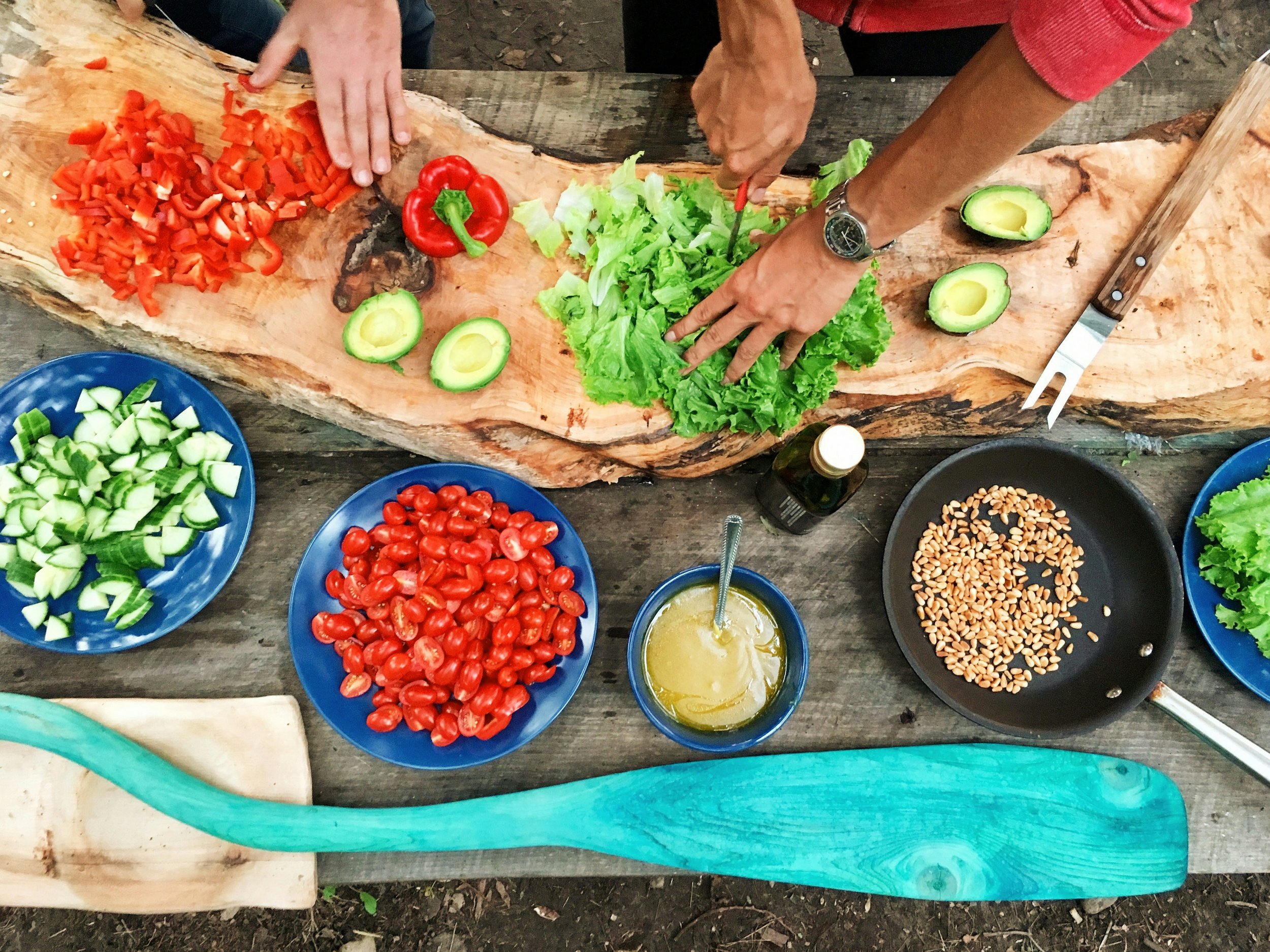
My Tip: Take a favorite meal or recipe and experiment with a SWAP: olive oil for butter, a veggie or turkey burger for beef (or hold the cheese), veggies for meat in a stir-fry, mustard for mayo, salmon or tuna for a steak, non-fat plain Greek yogurt for sour cream in a taco or bowl, egg whites mixed with an egg for an even higher protein omelette.
Build your grocery list around cholesterol-lowering staples like oats, low-sodium beans, fresh and frozen greens, and olive oil
Batch-cook on Sundays by preparing one pot of beans, roasted vegetables, and a whole grain for the week
Choose no-salt-added options when buying canned beans, broths, and sauces to control sodium intake
Flavor with herbs and spices instead of salt, using garlic, citrus, vinegar, and spice blends for variety
These budget-friendly strategies from nutrition experts help you stay consistent with blood pressure-supporting choices. When you have a plan, you spend less time wondering what to eat and more time enjoying meals that support your goals.
Ready for a personalized approach? Chesapeake Nutrition's customized meal plans take the guesswork out of weekly planning while fitting your preferences and health needs.
Lifestyle Changes That Support Healthy Cholesterol And Blood Pressure
Beyond food choices, what lifestyle changes support healthy cholesterol and blood pressure levels? Research shows that combining dietary improvements with targeted lifestyle habits can lower blood pressure by 5 to 15 mm Hg and reduce LDL cholesterol significantly. Five key lifestyle changes create the foundation for lasting heart health.
Daily Movement
Target - 150 minutes moderate activity per week
Why it works - Aerobic exercise can lower blood pressure by 5-8 mm Hg and improves cholesterol ratios
First step -Take 10-minute walks after meals
Weight Management
Target -5-10% weight loss if recommended by your doctor
Why it works - Each kilogram lost reduces systolic blood pressure by approximately 1 mm Hg
First step - Swap sugary drinks for water or unsweetened tea
Alcohol/Smoking
Target - ideally no alcohol, or ≤2 drinks daily for men, ≤1 for women daily; avoid tobacco completely
Why it works - Alcohol moderation can lower BP by 4 mm Hg; smoking cessation reduces cardiovascular risk
First step - Replace one alcoholic drink with sparkling water and lemon
Stress/Sleep
Target - 7-9 hours of quality sleep nightly
Why it works - Quality sleep helps regulate hormones that control blood pressure and cholesterol production
First step - Set a consistent bedtime routine 30 minutes before sleep
BP Monitoring
Target - Weekly home checks with validated device
Why it works - Home monitoring helps track progress and medication effectiveness
First step - Bring a blood pressure log to appointments, if available, for personalized coaching
These evidence-based changes work best when combined. Regular movement enhances sleep quality, better sleep supports weight management, and stress reduction helps maintain consistent healthy habits that amplify the benefits of your heart-healthy eating plan.
High Cholesterol and Blood Pressure FAQs:
When you're managing heart health, conflicting advice online can feel overwhelming. These answers cut through the confusion with evidence-based guidance from registered dietitians who specialize in nutrition support for high cholesterol and blood pressure faqs.
If I'm on statins or blood pressure medication, do diet changes still make a difference?
Absolutely. Research shows people often gain weight after starting heart medications, making diet support even more important. Medications work best alongside healthy eating patterns that control triglycerides and support overall heart health.
How much sodium is safe with high blood pressure?
The FDA recommends less than 2,300 mg daily, though many people benefit from lower amounts. Check labels on deli sandwiches, pizza, soups, and bread. Look for products with less than 140 mg sodium per serving.
Do I need to cut out eggs and red meat completely if my cholesterol is high?
You don't need to eliminate them entirely. Limit red meat to1 serving weekly. Eggs can be part of a heart-healthy diet when balanced with fiber-rich foods like oatmeal, fruits, and vegetables.
Can thoughtful meal planning really help manage both conditions at once?
Yes, meal planning addresses both cholesterol and blood pressure simultaneously. Focus on the DASH eating pattern with plenty of fiber, lean proteins, and controlled sodium. Our nutrition counseling includes personalized meal planning for exactly this purpose.
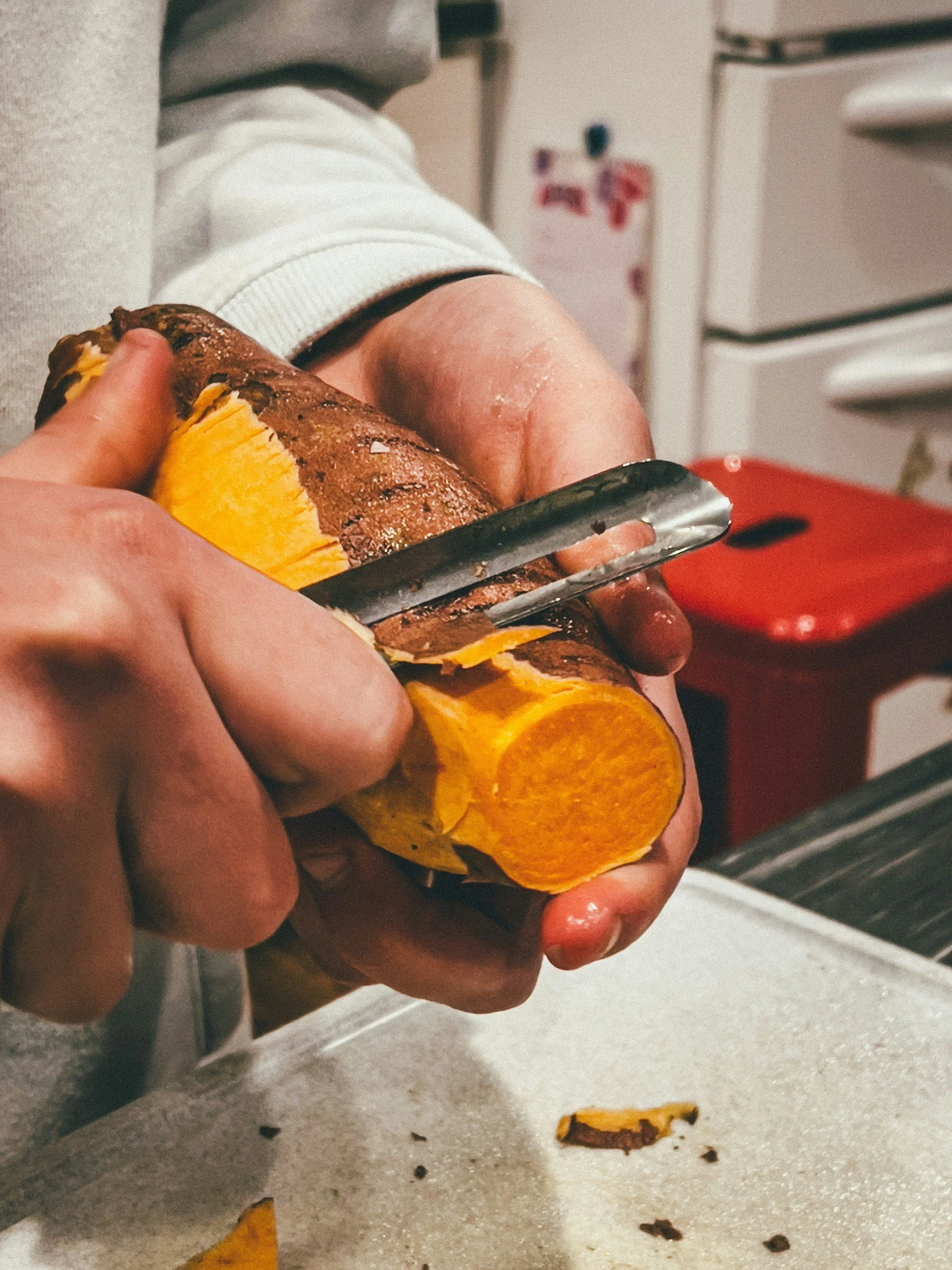
My Tip: Become a master of one veggie heavy meal and keep it in rotation. My meat eating family can’t get enough of this black bean sweet potato enchiladas from Cookie and Kate.
Should I avoid all processed foods if I have high cholesterol and blood pressure?
Not all processed foods are off-limits. Frozen vegetables, low-sodium canned beans, and whole grain cereals can fit into a heart-healthy eating plan when selected carefully.
Take The Next Step With Personalized Nutrition Support
Managing high cholesterol and blood pressure becomes clearer with proven strategies: DASH-style meals rich in fiber, smart sodium control, and weekly meal planning. Beyond dietary changes, adding regular movement and consistent monitoring helps these changes become sustainable.
Research shows that multiple visits with a Registered Dietitian Nutritionist produce meaningful improvements in cholesterol and blood pressure levels. Your cholesterol levels and blood pressure readings tell a story, and an experienced dietitian can translate them into step-by-step meal plans that fit your life and culture.
Ready to get personalized support, that makes sense for your goals? Chesapeake Nutrition Company's heart health support includes individualized chronic disease nutrition counseling both in-person and virtually throughout Maryland and Virginia, with insurance accepted for many plans. Bring your latest labs and home BP readings, if available, to your first appointment.